

Breaking down topics into multiple stories can propel your digital presence forward. Businesses that tried this strategy saw their organic traffic jump 70% in just three months. Some content creators achieved even better results with increases of up to 180% during the same period.
The impact goes way beyond just traffic numbers. Readers who find content in different formats tend to stay more engaged. They spend more time reading related articles and watching videos. Users who can explore a content series rather than a single page spend almost twice as long on the site. The strategy also builds a broader keyword foundation that boosts search engine rankings. This works because different people connect with different emotional triggers and learning styles.
Today’s content world has become fiercely competitive with millions of new articles appearing each day. Content creators must vary their storytelling methods to stand out. A single topic turned into multiple stories through different formats and perspectives helps creators grab different SERP positions for the same keyword cluster without cannibalization. Their social media shares can double through matching content formats like infographics and podcasts.
Understanding the power of one topic, many stories
People don’t all connect with information the same way – that’s just human nature. Your audience needs multiple stories around a single topic. This isn’t just about being creative. You need different narratives to reach everyone effectively.
Why a single story isn’t enough
Content creators today are storytellers at heart. Using just one narrative approach limits how many people you can reach. Research shows that over 60% of Americans see content diversity as vital. The numbers are even higher for specific groups – 85% of Latinx+ consumers and 79% of African-American consumers support brands that make diversity their priority in marketing.
A single-story approach creates more problems than just missing demographic diversity. One-dimensional narratives don’t account for how differently people process information. Film directors know camera angles change how viewers see their work. Content creators should also show their topics from different points of view.
Single-story approaches have these limits:
- They reach only a small part of your potential audience
- They miss chances to connect with different learning styles
- They skip various emotional entry points
- They ignore different knowledge levels
Content creators who stick to one narrative framework end up reducing their chance to connect with diverse audiences. Studies reveal that 77% of Millennials trust brands more when they use diverse marketing practices. Story diversity isn’t just good practice – it builds audience trust.
How different readers connect with different angles
People read content for many different reasons. A complete study on reading motivation found that readers look for various emotional experiences. Some want to feel happy, relaxed, excited, or lost in the story. Others look for information, ways to improve skills, or connections with familiar characters and worlds.
These different motivations show why multiple stories about your topics boost engagement. Kids understand narrative texts better than expository ones. Adults also have their own ways of absorbing information.
Each format creates its own mental response. Here’s how:
- Personal stories create emotional bonds through shared experiences
- Case studies show real proof and practical uses
- How-to guides help those who want clear, step-by-step instructions
- Opinion pieces make readers think critically and see new viewpoints
Research on reading comprehension shows different question types need different thinking skills. Content formats work the same way – some readers get more from personal stories, while others connect better with direct instructions.
These different processing styles show why using multiple stories creates more ways for audiences to connect. Camera angles in films shape how audiences feel. Similarly, different content viewpoints let readers engage with topics in ways that match how they think.
Simple topics hold many potential stories. Good content creation finds all the angles that help your audience connect with your core message. Each new viewpoint reaches a different part of your audience. Multiple stories help you reach more people and make a bigger impact.
Smart ways to segment your audience for better storytelling
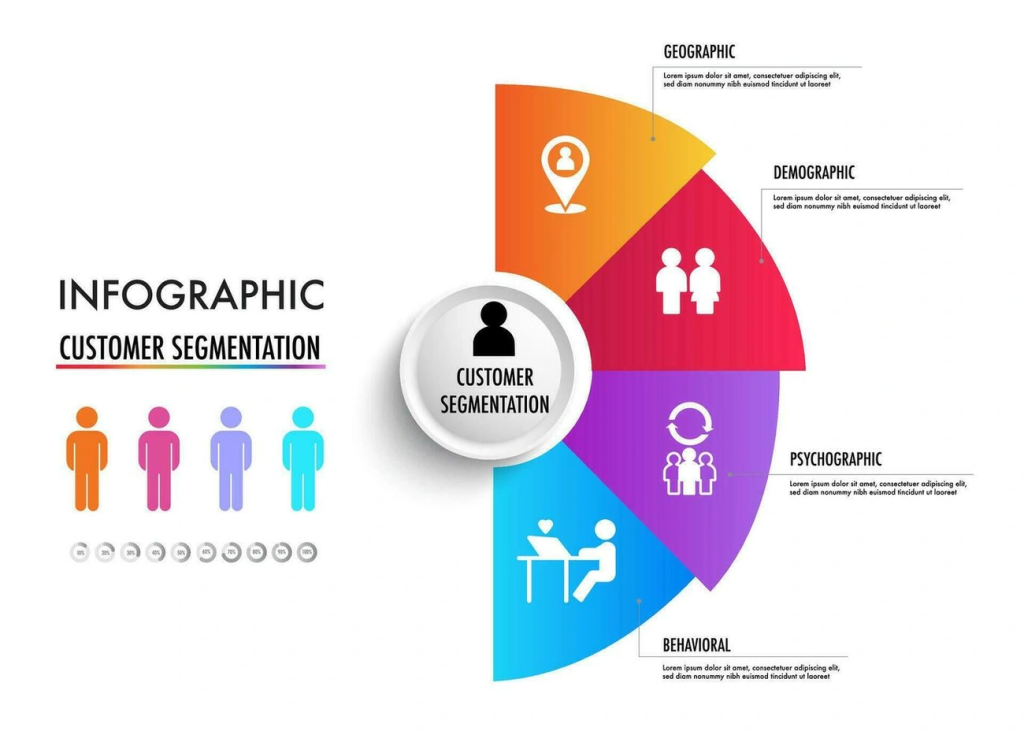
Image Source: Vecteezy
Your content strategy needs effective audience segmentation as its base to broaden your reach. Target audience division into distinct groups lets you create stories that appeal more deeply to each segment. This approach ended up boosting engagement and conversion rates. Research indicates over 70% of consumers only participate in customized marketing that lines up with their interests. About 80% of buyers choose brands that customize their experience.
Demographic segmentation
Demographic segmentation offers the simplest way to understand your audience. The approach splits readers based on measurable statistics like age, gender, income, education level, location, marital status, and family size. To name just one example, luxury brands target high-income earners, while family-oriented content creators focus on parents with young children.
This method remains accessible to more people because it delivers results. Demographic data creates a solid foundation for storytelling. You can frame topics through lenses matching your audience’s life stage and circumstances. The approach also eliminates wasted marketing efforts by delivering content to people who find it relevant.
Psychographic and behavioral segmentation
Demographics reveal who your readers are, while psychographic and behavioral segmentation shows why they make certain choices. Psychographic segmentation looks at internal characteristics—values, beliefs, interests, lifestyles, and personality traits. Your audience members might be adventure-seekers or homebodies, leaders or followers, family-oriented or individualistic.
Behavioral segmentation focuses on how audiences interact with your content. This includes:
- Purchase behaviors and frequency patterns
- Website activity and engagement levels
- Content consumption habits
- Device usage priorities
- Brand loyalty indicators
These insights might seem hard to collect at first, but they offer significant understanding of your audience’s motivations. Someone who makes small purchases regularly needs different storytelling approaches than occasional big spenders.
Professional and industry-based segmentation
Professional segmentation, also called firmographic segmentation, groups audiences by their work life. B2B content creators find this approach valuable, but it works well for anyone connecting with professional audiences.
Professional segmentation considers these key factors:
- Industry type and sector
- Company size and revenue
- Number of employees
- Job titles and roles
- Career stage and experience level
Research shows this method works best when targeting corporate decision-makers versus industry influencers. Decision-makers connect with stories about business outcomes, efficiency improvements, and return on investment. Industry intellectual influencers respond better to stories highlighting breakthroughs and intellectual influence.
Professional segmentation becomes more powerful combined with other approaches. A tech company’s product launch campaign created two distinct narrative approaches. One targeted tech-savvy professionals by focusing on advanced features and specifications. The other emphasized convenience and time-saving benefits for everyday consumers.
Audience segmentation’s strength lies in its adaptability. Multiple segmentation types combine to create specific audience groups. This layered approach helps adjust your topics into various stories. Each story appeals precisely to different audience segments, maximizing engagement across your readership.
Creative formats to tell your stories
Image Source: SkillWaala Blog
Your message reaches different audience segments through various storytelling formats. Each format creates unique ways to present topics from multiple angles that strike a chord with readers’ priorities.
Personal narratives
First-person stories create powerful connections with readers through authenticity and relatability. Personal pronouns turn textbook-style information into friendly conversations. Writers who use “I” take ownership of their opinions and show authority, which makes readers trust their content more.
These narratives work so well because they trigger oxytocin—the “feel-good” hormone—in readers who connect with similar experiences. This biological response builds trust and makes readers come back for more content.
The best part about personal storytelling is showing your audience you understand their challenges through your own experiences. This approach works especially well with younger audiences, as 83% of millennials want to connect with brands that line up with their values.
Case studies and real-life examples
Case studies turn abstract concepts into relatable stories by showing specific challenges, strategies, and outcomes. These visual and narrative showcases demonstrate the real-life effects of ideas, products, or services.
The best case studies follow a classic story structure: setup (introducing the main character), conflict (showing their challenge), and resolution (describing the solution and results). This storytelling pattern naturally pulls readers in because it matches how our brains process information.
Yes, it is true that big brands like Airbnb, Coca-Cola, and Tata Motors have used case studies to build strong audience connections. They focus on authentic storytelling backed by data and testimonials that create emotional responses while providing solid evidence.
How-to guides and tutorials
How-to content gets substantial engagement and links because it offers clear value. A good tutorial breaks down complex processes into manageable tasks. Research shows 80% of Google users look for how-to content online.
Great guides share three key features:
- Well-laid-out structure with logical step sequences
- Visual elements that support instructions (images help readers perform 323% better)
- Clear, doable results readers can achieve by following the guide
Creating high-quality how-to content starts with knowing your audience’s skill level. You should walk through the process yourself and document each step with screenshots or photos.
Opinion pieces and expert takes
Opinion pieces establish your authority in your field while making reasoned arguments for specific actions or points of view. These articles usually run 800-900 words and aim to shape readers’ thinking rather than just share information.
Strong opinion pieces start with attention-grabbing openings—often punchy statements or compelling stories that set the scene. Writers should weave research, statistics, and examples throughout their arguments while keeping their unique voice.
Comparisons and reviews
Comparison content helps readers make smart choices by evaluating options based on clear criteria. This format works well because it guides readers through choices in a world full of options.
Comparative reviews can spark ideas for your content, but they should inspire concepts to test rather than copy directly. Note that content that works for one company might not work for another.
Using these different formats in your content strategy creates multiple ways for audiences to connect with your core topics, which expands your reach and influence significantly.
Using emotional triggers to connect with readers
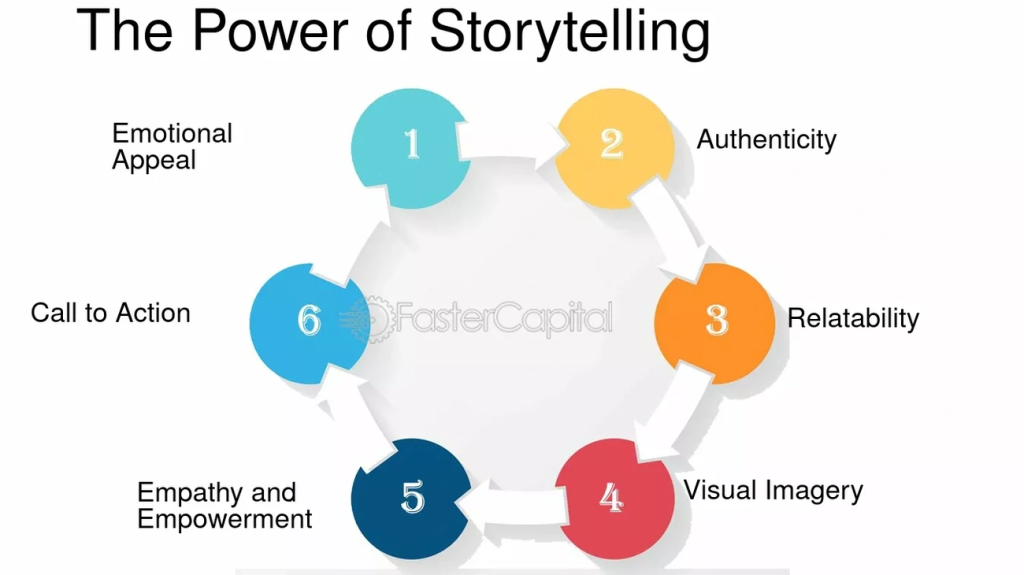
Image Source: FasterCapital
Emotions drive decisions more powerfully than logic alone. Your topics need multiple stories that tap into different emotional triggers. This helps you connect with readers deeply and turns casual browsers into loyal followers.
Joy, empathy, and nostalgia
Positive emotions create lasting bonds between your content and readers. Research shows that empathy with positive emotions protects against depression and improves overall well-being. Being genuinely happy for others builds positivity resonance. This directly leads to better health, prosocial behavior, and meaningful life experiences.
Nostalgia works as a powerful connector. One marketing expert calls it “a twinge in your heart far more powerful than memory alone”. Studies show nostalgic memories boost human resilience. People who share nostalgic memories feel much more positive emotions and talk longer when listeners respond with empathy.
These positive emotional triggers work best when you:
- Add specific time-period details that spark shared experiences
- Think about your audience’s memories from relevant times
- Use nostalgia carefully to stay modern and relevant
Fear, urgency, and curiosity
Negative emotions often spark immediate action, even though positive emotions build relationships better. Messages about lack create a powerful fear of missing out (FOMO). This pushes readers to act fast. One company boosted sales by 332% by combining lack and urgency tactics.
The “curiosity gap” works as a powerful trigger by showing incomplete information that readers want to complete. Our brains naturally want to finish unfinished stories. Don’t title your content “5 Tips for Better Instagram Engagement.” Try “The Instagram Engagement Trick I Almost Didn’t Share” to use this psychological principle.
Urgency backed by real lack produces amazing results. True Vintage shows this by displaying limited-time shipping options on product pages. All the same, balance matters—emotional triggers must stay authentic rather than manipulative to keep long-term trust.
Trust and authority
Trust is a vital part of lasting reader relationships. Neuroimaging research shows consumers use emotions more than facts when they evaluate brands. You build emotional rapport by showing vulnerability and sharing personal stories that arrange with your readers’ values.
Authenticity creates the foundation of consumer trust. Stories appeal more deeply to audiences when they reflect true experiences or brand values. Studies show consumers view brands more positively and pay premium prices for their products after seeing authentic brand stories.
Stories that work boost conversions by up to 30% when they address customer questions and needs. The best approach mixes narratives that spark emotions while providing valuable information. Entertainment value matters more than pure education.
You create diverse emotional entry points for your audience by using these emotional triggers in your multiple stories approach. This lets different segments connect with your content in ways that appeal most powerfully to their priorities.
Tools and platforms to support your strategy
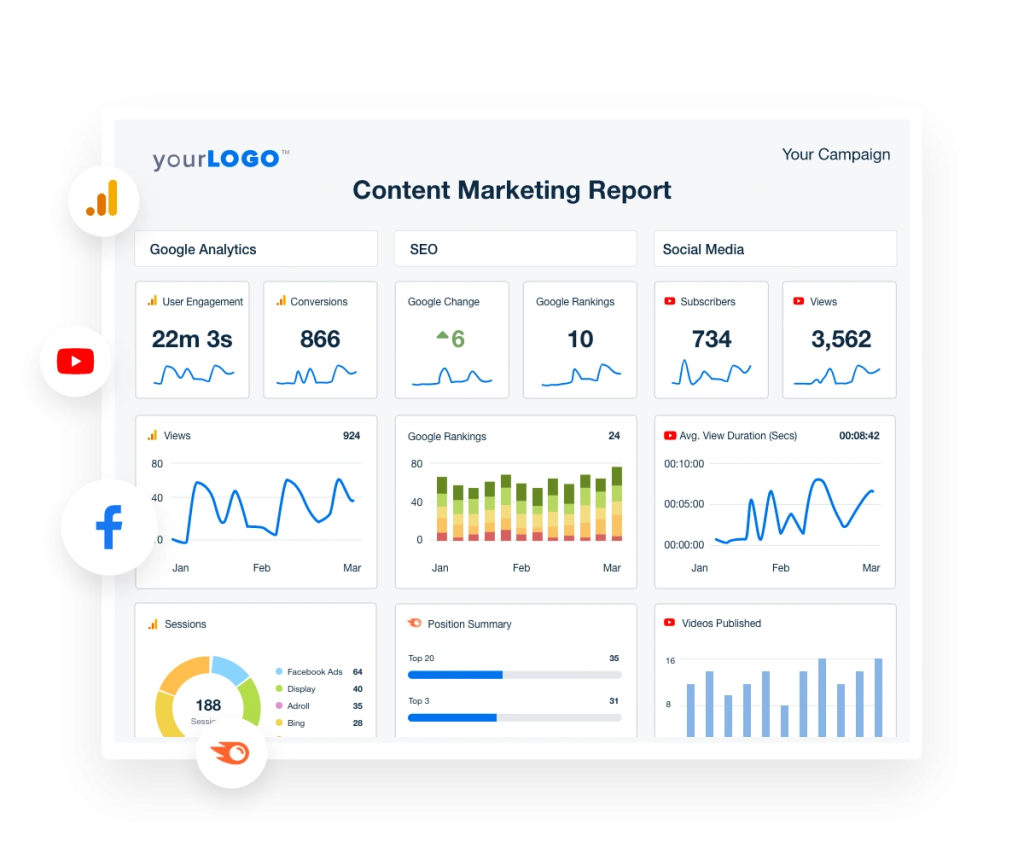
Image Source: AgencyAnalytics
Building an effective multi-story approach needs the right tech setup. The right tools can significantly improve your workflow and boost content performance in platforms of all types.
Content management systems
A quality CMS forms the base of any resilient content strategy. Headless CMS platforms give great flexibility by keeping content storage separate from display. This setup lets you show the same content in different formats through various channels and devices. The system aids omnichannel storytelling from one content hub. Content teams can create and manage content without much IT support.
A good CMS should help publish content quickly while keeping brand consistency intact. Quick publishing helps you stay relevant with trending topics. The headless CMS lets brands create new content faster and respond to market needs right away.
AI tools like MagicSlides
MagicSlides and other AI-powered presentation tools revolutionize content repurposing. MagicSlides functions as a Google Slides extension that creates presentations automatically from YouTube videos, PDFs, and web pages. This feature proves valuable when you convert existing content into new formats.
MagicSlides offers three ways to create presentations: using a prompt, summarizing a topic, or working directly with text. Content creators can turn single topics into multiple visual stories quickly. The tool costs between £0 and £23.03 per month, making content transformation available to different budget sizes.
Analytics and SEO platforms
Evidence-based insights drive content optimization. SEO tools help you find keyword gaps and content opportunities based on actual data instead of gut feel. Platforms like Siteimprove.ai compare content with top-ranking pages. They point out coverage gaps and suggest ways to improve authority.
These platforms work with analytics to measure how well content performs through different channels. HubSpot’s SEO tools connect with content management systems to catch every optimization chance. Google Search Console integration brings direct data from Google to guide your SEO strategy.
Social media scheduling tools
Social media tools optimize repetitive work and free up time to create content and interact live. You can schedule posts across multiple platforms at once using tools like Sprout Social, Buffer, and Hootsuite.
These platforms do more than just schedule posts. Buffer offers complete features for content creation, analytics, community engagement, and team collaboration. AI-powered tools like Unmetric help find content gaps and trending industry topics. This evidence-based method ensures each content piece fits well in your broader multi-story plan.
Tracking success and improving over time
Your multiple stories approach needs measurement to learn what strikes a chord with your audience. After strategy implementation, performance tracking becomes crucial to keep improving.
Engagement metrics to watch
Good measurement starts by monitoring how audiences interact with your content. Key metrics include views and impressions to track overall reach, likes, shares, and comments to gage audience response, and time spent on page to assess reader involvement. It also helps to track viewer drop-off rates for videos to spot content that pushes people away. The percentage of visitors who leave without interaction, known as bounce rate, gives vital feedback on relevance and quality.
SEO performance indicators
SEO metrics show your content’s lasting effects beyond engagement. You should track keyword rankings to review visibility improvements, organic traffic growth to measure reach, and conversion rates to assess real-life impact. A complete evaluation needs ROI calculations by comparing revenue from organic search against invested costs. Customer lifetime value from organic search helps understand long-term benefits better.
Content refresh and repurposing cycles
The best content needs regular updates to stay relevant. Your top-performing evergreen content deserves yearly refreshes at minimum. Analytics help separate evergreen content from outdated material. Smart repurposing can spread content in many formats – turning webinars into YouTube videos, blog posts into complete guides, or presentations into SlideShare decks.
The most efficient approach targets content that brings steady traffic but shows lower engagement. Content type-based refresh schedules work better than random updates to ensure meaningful improvements.
Conclusion
Creating multiple stories from a single topic is one of the best strategies modern content creators can use. People experience and prioritize things differently. Content creators need to ensure each audience segment finds content that appeals to their specific needs. The best content creators know that different thinking styles and emotional triggers determine how well information connects with readers.
Audience segmentation is the life-blood of this multi-story approach. Demographics lay the groundwork. Psychographic and behavioral data show deeper analytical insights into what motivates audiences. B2B content creators find professional segmentation adds extra value when they need to connect with specific industries.
Your message reaches different audience segments through creative formats. Relatability comes through personal narratives that build authentic connections. Abstract concepts become concrete examples in case studies. How-to guides help practical information seekers. Readers make informed decisions through comparisons while opinion pieces build authority. Each format creates a unique way to involve the audience.
Emotional triggers make content more effective than logical arguments alone. Positive connections grow through joy, empathy, and nostalgia. Fear, urgency, and curiosity push people to act now. Building long-term relationships needs trust. The best content combines these emotional elements strategically to create multiple entry points for different audience segments.
Various platforms and tools support this multi-story approach. Content management systems provide the base structure. AI tools make content transformation faster. Analytics platforms deliver vital analytical insights that let content creators measure effects and improve their strategy continuously.
Content creators who use the “one topic, multiple stories” approach ended up seeing major rewards – deeper audience connections, better engagement metrics, and stronger brand positioning. Success belongs to those who know effective storytelling needs compelling content delivered in different ways for specific audience segments. This strategic approach turns ordinary topics into extraordinary connections and helps content creators stand out in today’s digital world.
FAQs
1. How can I create multiple stories from a single topic?
Start by segmenting your audience based on demographics, psychographics, and professional backgrounds. Then, craft different narratives that resonate with each segment using varied formats like personal stories, case studies, how-to guides, and opinion pieces.
2. What are some effective emotional triggers to connect with readers?
Use a mix of positive emotions like joy and nostalgia, as well as urgency and curiosity. Build trust through authenticity and vulnerability. Different emotional triggers work for different audience segments, so vary your approach based on your target readers.
3. How can I measure the success of my multi-story approach?
Track engagement metrics like views, shares, and time spent on page. Monitor SEO performance indicators such as keyword rankings and organic traffic growth. Regularly analyze these metrics to identify which stories resonate most with your audience and adjust your strategy accordingly.
4. What tools can help implement a multiple stories strategy?
Use a content management system for organizing your content, AI tools like MagicSlides for repurposing information, analytics platforms for tracking performance, and social media scheduling tools to streamline distribution across channels.
5. How often should I refresh or repurpose my content?
Aim to refresh your best-performing evergreen content at least annually. Create refresh cycles based on content type rather than arbitrary schedules. Repurpose high-performing content into different formats like videos, guides, or social media posts to maximize its reach and impact.