
Instagram’s viral content metrics vary by format, and the numbers are more specific than most creators know. Standard posts need 10,000 to 20,000 likes in the first 24 hours to become viral. Instagram Reels need about 100,000 views to make it viral[-3].
These numbers aren’t set in stone for everyone. Some viral posts perform way beyond these measures. The best examples reach millions of accounts and boost engagement by over 86,000% in just one month. View counts matter a lot, especially for Reels. A Reel with 500,000 views and 50,000+ shares is a soaring win. The quality of engagement plays a vital role in determining viral status on Instagram. Creators can set realistic content goals and recognize true viral success by understanding these metrics.
What does going viral on Instagram really mean?
Instagram virality means much more than just being popular. Content spreads faster across digital platforms as users share it with others. Your content reaches an amazing level of awareness through shares on social media networks, news websites, and search engines.
Popular content works well with your existing audience. But viral posts break free from your usual circle and reach people way beyond your regular followers. This snowball effect happens naturally without much paid promotion. Creators often feel surprised when their content suddenly takes off.
The way Instagram virality works is simple. More engagement leads Instagram’s algorithm to show your content to more people. This creates a cycle that keeps growing. The algorithm boost can lead to massive exposure. A viral Instagram Reel once reached more people than the entire population of Sweden.
Emotional connection makes content go viral. Research shows that content which brings out emotional responses from viewers gets the most interactions. Posts that create strong feelings like happiness, humor, surprise, or even anger have a better chance to spread.
Viral content helps businesses and creators beyond short-term fame. The Instagram algorithm loves posts with high engagement and keeps showing them to new audiences. Your content becomes more visible and might even rank better in search results. On top of that, it helps brands reach completely new audiences overnight. Some campaigns have even doubled sales in remarkably short timeframes.
Virality works differently for different accounts. While some standards exist (like 100,000+ views for viral Reels), “viral” depends on your account size and normal performance. A practical way to measure this: if your content gets 5x more views than usual, it’s viral. So if you usually get 3,000 views, reaching 15,000+ views means you’ve gone viral.
Instagram’s internal metrics show the difference between “connected reach” (followers seeing your content) and “unconnected reach” (new discovery through Explore or Reels). Instagram CEO Adam Mosseri says likes drive connected reach more, while shares affect unconnected reach slightly more. This explains why shareable content spreads faster.
Viral content boosts awareness and engagement amazingly well. But marketers should know that making content go viral consistently is tough. Your best bet is to focus on authentic engagement with content that strikes a chord with your target audience. This approach works better in the long run.
What number is considered viral on Instagram in 2025?
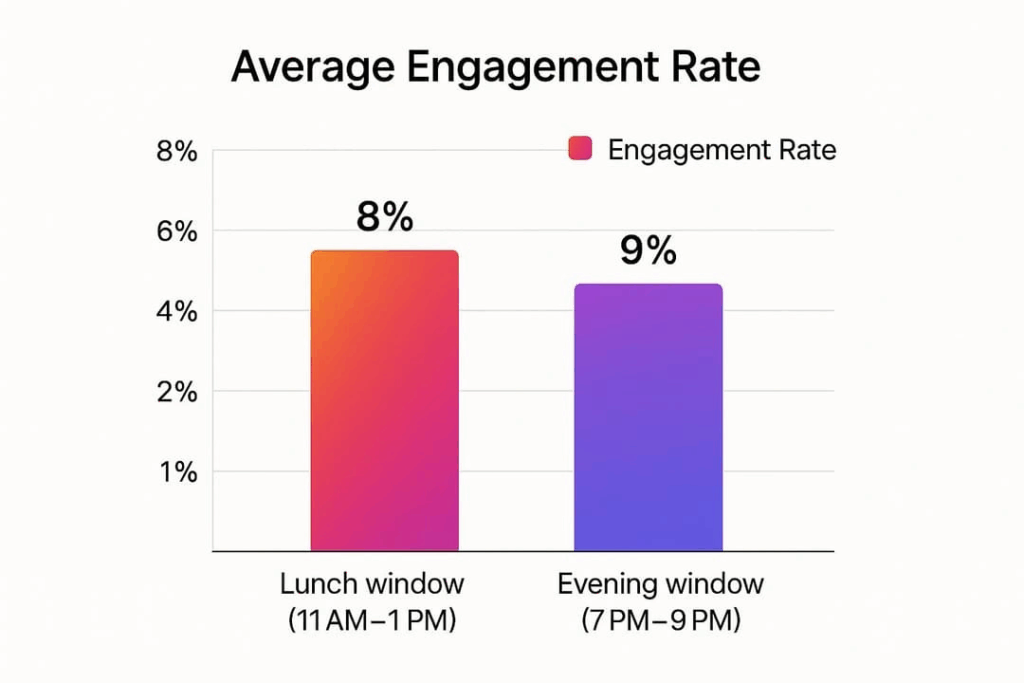
Image Source: Postiz
Viral success metrics on Instagram keep changing as the platform grows. These numbers look quite different in 2025, depending on what type of content you post.
Instagram Reels: 100K+ views in 24–48 hours
Reels rule Instagram’s viral world and generate 2x more impressions than other content formats. A Reel needs 100K+ views within the first 24-48 hours to be called viral. The platform rewards Reels that take off quickly by featuring them on the Explore page.
You can spot viral potential within 8 hours. Accounts with less than 100,000 followers need about 30,000 views in 8 hours to show viral momentum. Some Reels hit incredible numbers – like Deepika Padukone’s Hilton campaign that surpassed 1.9 billion views.
Image and carousel posts: 50K+ likes or views
Carousel posts pack a punch despite Reels’ dominance. They lead with a 0.55% average engagement rate, while Reels get 0.50% and static images trail at 0.45%. The viral mark for images and carousels sits at 50K+ likes or views.
Instagram’s 20-slide limit helps creators tell detailed stories through carousel posts. These formats create deeper connections with audiences, even though they might spread slower than videos.
Small vs. large accounts: how follower count changes the threshold
Viral success means something different based on your account size. Smaller creators might hit viral status with thousands rather than millions of views. Here’s how engagement rates vary by follower count:
- Under 10K followers: 5%+ engagement rate
- 10K-50K followers: 3-4% engagement rate
- 50K-250K followers: 2-3% engagement rate
- 250K+ followers: 1.5-2% engagement rate
Small accounts (1K-5K followers) crush it with 20% view rates on Reels and an impression rate of 30%. This makes Reels a goldmine for growing smaller accounts. View counts jump dramatically once accounts cross 50K followers, more than tripling between 5K and 50K followers.
Engagement rate vs. view count: which matters more?
Both metrics play crucial roles in 2025. Views show your content’s reach while engagement reveals genuine audience interest and trust.
Watch time leads all other factors in Instagram’s algorithm. It affects both follower reach and new audience discovery. Shares help you reach new audiences, while likes boost visibility among existing followers.
Saves stand out as the strongest signal of quality content. Users save posts they want to check later, and the algorithm sees this as the ultimate stamp of approval. Likes and views feel good right away, but shares and saves build lasting growth by reaching fresh audiences.
Instagram’s 2025 algorithm shows a clear pattern – viral posts need both high views and strong engagement. Content shared through direct messages gets priority over posts that just collect likes.
What makes a video go viral on Instagram?
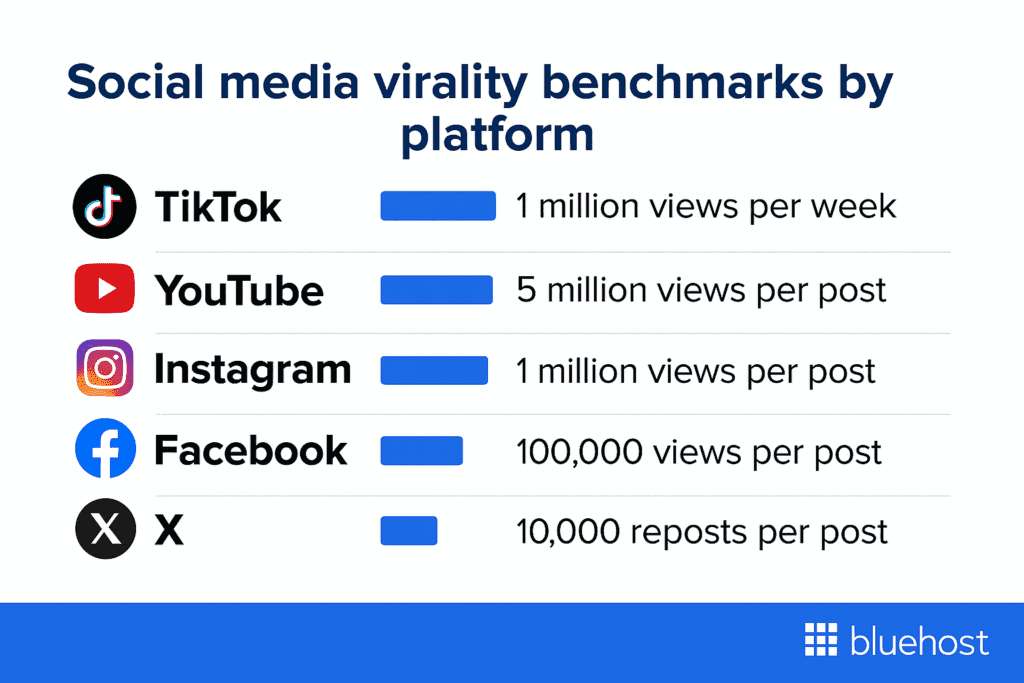
Image Source: Bluehost
Instagram virality depends on specific factors that tell both users and the algorithm what makes content valuable. Creators can craft videos that might go viral by understanding these elements instead of hoping for random success.
Strong emotional or relatable content
Emotional connection makes Instagram videos go viral. Content that mixes different emotions works best at getting people engaged. Research shows happiness, puzzlement, and fear increase sharing likelihood by 55%. Videos that make people feel something right away—through humor, surprise, or even a bit of controversy—spread faster than plain content.
Content needs to appeal to common experiences or problems people face. This creates an instant connection and makes viewers tag friends who might feel the same way. People tagging their friends helps your content reach way beyond your usual followers.
High-quality visuals and editing
Clear visuals are a must if you want your content to go viral. Videos with subjects in the center, clean backgrounds, and bold text get watched more. Quick editing without any empty spaces keeps people watching.
Your videos should have:
- Changes in what people see throughout
- Different paced audio
- Text that pops up at the right time to keep attention
Use of trending audio and hashtags
The right audio can make your video go viral. 81% of viral Reels use trending sounds. The algorithm likes videos with popular audio, so using trends gives you an edge. You’ll get the best results by finding trending sounds used in fewer than 5-8K pieces of content.
Hashtags help people find your content, but you need the right strategy. Research shows it’s better to focus on a few good ones instead of using all 30 allowed hashtags. Pick 3-5 tags that really match your content. The hashtags that work best in 2025 are #viral (45%), #trending (9%), and #explorepage (8%).
Timing and frequency of posting
When you post can help your content go viral. A study of 22,125 Instagram Reels showed that posts during peak hours got 15% more likes, 19% more views, and 51% more comments.
Regular posting matters more than perfect timing when you start. Posting 2-3 times each week makes your content more likely to go viral. You can adjust your schedule later based on when your audience is most active.
Platform algorithm signals
The algorithm looks at specific things to decide what to show people. Watch time and how many people finish your video matter most. Videos that 65% or more people finish get shown to many more users.
Different types of engagement carry different weight. Shares and saves matter more than likes because Instagram’s AI sees saves as the strongest sign that content is good. The platform also shows fewer videos with watermarks from other apps, so creating content directly on Instagram works best.
8 real factors that influence virality on Instagram
Image Source: We Are Social
What makes Instagram posts go viral? Let’s look at the elements that transform regular content into something that millions of people want to share. These key factors will help you create content that strikes a chord with wider audiences.
1. Hook in the first 3 seconds
People’s attention spans have dropped from 12 seconds in 2000 to just 8 seconds in 2013. Users now spend only 1.7 seconds on mobile content and 2.5 seconds on desktop. You need a compelling hook that grabs attention right away. Pattern interrupts, bold statements, or unexpected visuals can break through mindless scrolling.
2. Shareability and saves
Instagram CEO Adam Mosseri says shares matter more than any other metric on the platform. Posts that get shared reach 50% more new audiences compared to those that just get likes or comments. The algorithm values saves highly because they show users want to come back to the content later—making saves the strongest sign of quality content.
3. Comments and conversations
Comments show real interest and help build community. Your chances of reaching the Explore page increase with more comments. Questions or prompts naturally get people talking. Posts with direct questions get 89% more comments than those without.
4. Use of platform-native features
Instagram gives priority to content created within its ecosystem. You can reach multiple audiences at once by using platform tools like Instagram Collabs. Stories with native features like polls, quizzes, or countdown stickers get more people involved.
5. Trend participation
The right timing with trends can boost your visibility. Content using trending audio reaches 81% more people. This works best with sounds that have fewer than 5,000-8,000 existing pieces of content. All the same, watch your timing—jumping on trends too late leads to “trend fatigue” when audiences get overwhelmed.
6. Authenticity and storytelling
“Authenticity isn’t about perfection, it is about transparency”. Brands lose their authenticity and consistency when they focus only on going viral. Building trust needs transparent, personal content—viewers quickly spot fake content, and “fake content always backfires”.
7. Collaborations and tags
Instagram’s Collab feature lets up to five accounts create a single post together, which reaches all their audiences. These mutually beneficial alliances can increase impressions by 186% and interactions by 166%, even between related brand profiles. Collaborations work best when you partner with accounts that have complementary audiences.
8. Consistency in posting
The algorithm rewards creators who post regularly. Regular posting shows your content stays fresh and valuable. Building trust with audiences and algorithms needs a steady posting schedule rather than chasing one-off viral hits. Yes, it is true that posts maintaining consistent quality perform better over time than occasional viral attempts.
What to do after your post goes viral
Your next strategic moves will determine if your unexpected Instagram fame becomes more than just a passing moment. You need to make use of this momentum right away to stimulate long-term growth.
Analyze what worked using Instagram Insights
Instagram Insights gives you vital data about your viral posts, including reach, impressions, and profile views. You should focus on metrics that align with your goals instead of tracking everything. Beyond simple analytics, you need to understand which content elements struck a chord by checking your engagement rate—the percentage of people who interacted with your content compared to those who saw it. Instagram’s native analytics only keeps 90 days of historical data, but it shows important patterns about what made your post go viral.
Involve new followers quickly
Quick responses to comments tell Instagram that your post adds value, and this encourages the algorithm to show it to more users. You can maximize your reach by creating Instagram Story Q&As about your viral topic and using question stickers to boost interaction. This helps you build connections with new followers while your content is fresh in their minds.
Create follow-up content to maintain momentum
Don’t rush to publish new posts after going viral. Viral content often gets extended periods of engagement, and posting too soon might cut this valuable interaction time short. Wait until engagement levels out, then create content that shows new followers what your account is really about.
Direct traffic to your website or store
You can turn viral attention into real business results with trackable links. Add UTM links to your bio and stories to track traffic sources through Google Analytics. Test different landing pages and switch up your CTAs weekly to measure what works best. Educational posts, behind-the-scenes content, and customer features work really well to drive website traffic.
Avoid common post-viral mistakes
New followers often leave when they realize your viral content isn’t what you usually post. On top of that, viral posts can bring so much engagement that your core community’s comments get lost. Be ready for negative comments since viral exposure often brings critics. Remember that your next posts probably won’t get the same huge engagement—going viral once doesn’t guarantee high engagement forever.
Conclusion
Creating viral content on Instagram takes more than just hitting the right numbers – you need both hard data and a full picture of your performance. While hitting 100,000+ views for Reels and 10,000-20,000 likes for regular posts sets a solid standard, true virality goes beyond these basic metrics to how people interact and share your content.
The most effective creators don’t chase viral moments. They build genuine content that strikes a chord with their audience. This natural approach makes content more shareable – something Instagram’s algorithm values most. Just like using trending audio, platform features, and posting regularly can substantially boost your chances of breakthrough content.
Your account size changes what “viral” means to you. Small accounts should celebrate reaching thousands instead of millions, especially when you have engagement rates above the typical 3-5% standard for their niche. Watch time and completion rates drive content distribution more than surface metrics like follower counts.
Going viral needs smart management afterward. You should quickly connect with new followers, analyze your performance data, and plan strategic follow-up content to turn short-term attention into a lasting community. Most creators stumble at this crucial point – they either post too fast or fail to use their expanded reach effectively.
Viral Instagram content doesn’t just happen randomly. Social media may be unpredictable, but creators who grasp platform standards, audience behavior, and the algorithm’s priorities set themselves up for long-term growth rather than one-time hits. Your content strategy should focus on real value and emotional connections while using technical elements to increase your reach across Instagram.
FAQs
1. What is considered viral on Instagram in 2025?
For Instagram Reels, achieving 100,000+ views within 24-48 hours is typically considered viral. For image and carousel posts, reaching 50,000+ likes or views signifies viral status. However, the threshold can vary based on account size and typical engagement rates.
2. How can I increase my chances of going viral on Instagram?
To increase viral potential, focus on creating emotionally resonant content, use high-quality visuals, incorporate trending audio and hashtags, post consistently during peak hours, and utilize platform-native features. Additionally, ensure your content has a strong hook in the first 3 seconds to capture attention quickly.
3. Does follower count affect what’s considered viral for an account?
Yes, follower count significantly impacts viral thresholds. Smaller accounts (under 10K followers) might consider content viral with a 5%+ engagement rate, while larger accounts (250K+ followers) typically aim for 1.5-2% engagement rate. The definition of “viral” is relative to an account’s usual performance.
4. What should I do immediately after my post goes viral?
After a post goes viral, analyze what worked using Instagram Insights, engage quickly with new followers, create follow-up content to maintain momentum, and consider directing traffic to your website or store. Avoid posting new content too soon, as it might cut short the engagement period of your viral post.
5. Are views or engagement more important for viral content?
Both views and engagement are crucial, but they serve different purposes. Views indicate reach, while engagement (especially shares and saves) signals genuine interest and trust. Watch time has emerged as the dominant metric in Instagram’s algorithm, ranking above all other factors for both reaching your followers and breaking into new audiences.
Atlas Paragon Small Business Operations & Security Guides
Independent, evidence-backed checklists for small-business software selection, accounting workflows, and security.