
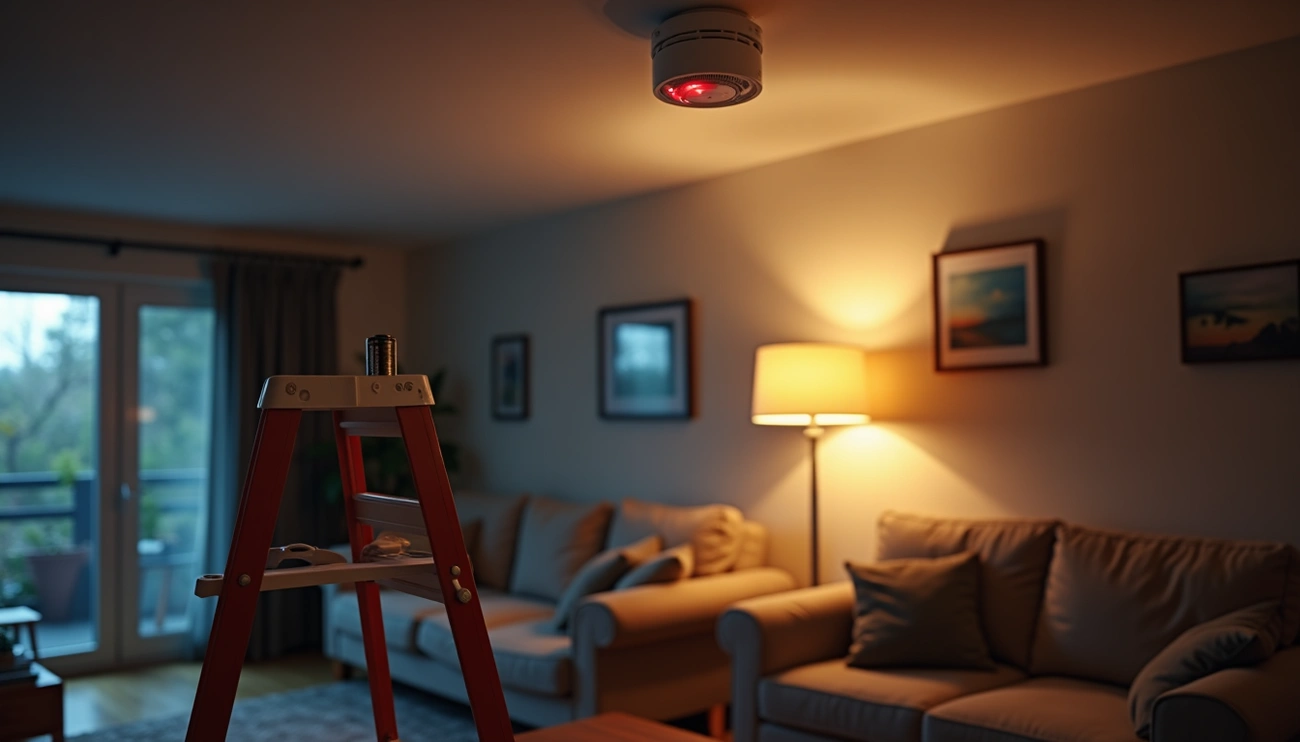
A smoke detector’s persistent chirping ranks among the most maddening sounds in a homeowner’s experience. Most detector models emit this short beep every 30 to 60 seconds when their batteries run low. This irritating sound serves a vital purpose.
Smoke detectors play a significant role in keeping homes safe. Research shows many fire fatalities occur in homes that lack working smoke alarms. You need to understand why your smoke detector chirps – whether it runs on batteries or keeps beeping despite being hardwired to electricity. This knowledge helps maintain this life-saving equipment properly.
Smoke alarms can last up to 10 years, so most homeowners will hear these chirps eventually. The good news is that fixing these problems doesn’t take much effort. Experts recommend replacing batteries every six months. This piece covers ways to silence both battery-powered and hardwired systems while keeping your home protected.
Step 1: Identify the Chirping Pattern
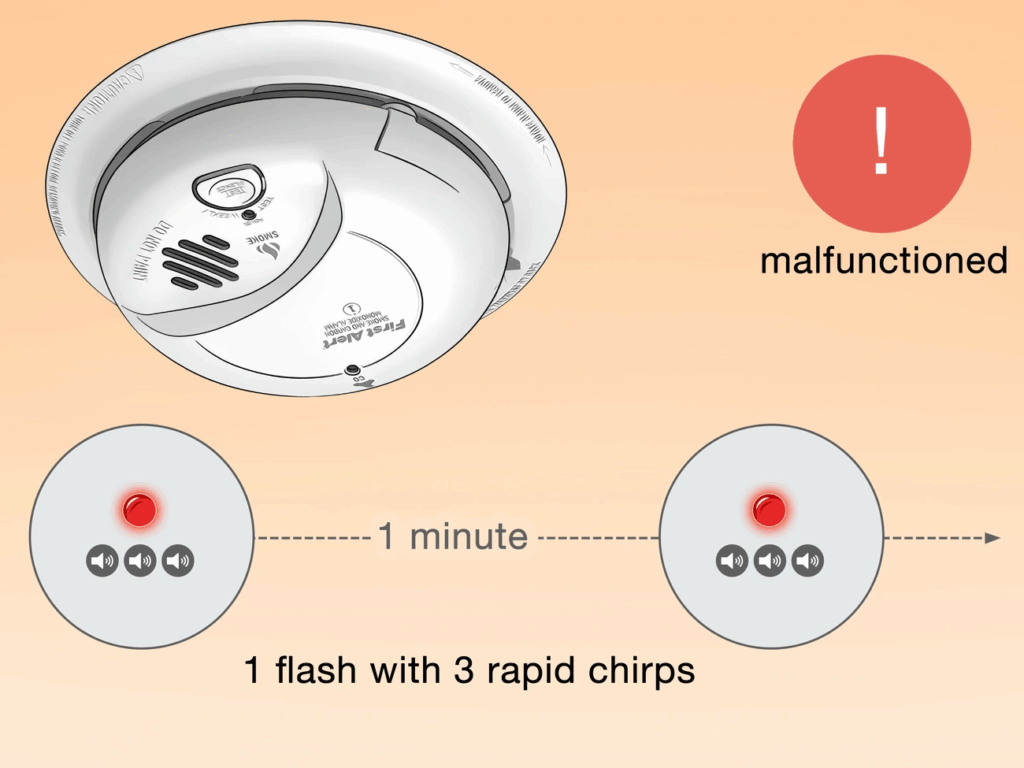
Image Source: wikiHow
Your smoke detector’s chirping patterns are vital clues to solve potential problems. Each unique sound pattern tells you something specific about your device’s status or warns you about possible risks in your home.
Single beep every 30-60 seconds
A single chirp every 30 to 60 seconds is the most common pattern homeowners hear. The timing of these beeps suggests a maintenance issue rather than an emergency. The device tells you that the battery power has dropped below a critical threshold. This warning will give a heads-up before your smoke alarm stops working due to power loss.
The low battery warning usually continues for at least seven days. This gives you plenty of time to fix the issue before the detector stops working. Many newer models come with a “low battery hush” feature. You can silence the chirping for up to 12 hours by pressing the test/hush button.
The chirping might continue even after you’ve changed the batteries. Here’s what to check:
- Battery installation direction
- Battery drawer closure
- Device age (should be under 10 years)
- Clean sensors free from dust or dirt
Smoke detector chirping twice
Two distinct chirps every 30 to 60 seconds usually mean your device needs replacement [link_2]. Modern smoke detectors last about 8-10 years. Manufacturers use this double-chirp pattern to let you know it’s time to replace your unit.
Sometimes two chirps might point to a unit malfunction. Different models use specific patterns. First Alert detectors, for example, use three beeps for malfunctions and five beeps at end-of-life.
Connected alarm systems might chirp twice, pause, then chirp twice again. This pattern means another connected alarm has detected smoke somewhere else in your home.
Continuous beeping vs intermittent
Continuous beeping differs from occasional chirps. Three loud beeps followed by a pause, on repeat, is an emergency signal. This means smoke or fire detection. You should evacuate and call emergency services right away.
Random chirping patterns usually mean you need maintenance:
- Random or erratic chirps can come from:
- Dust or bugs in the sensing chamber
- Changes in humidity or temperature affecting the electronics
- Loose connections in hardwired models
- Power fluctuations
Daily chirps at the same time might happen because of power surges when your electrical company switches power grids. Carbon monoxide detectors use four beeps to warn about dangerous CO levels. A single chirp still points to low battery.
Learning these sound patterns helps you know whether you face a serious safety issue or just need some basic maintenance. This knowledge could save precious time in an emergency.
Step 2: Check and Replace the Battery
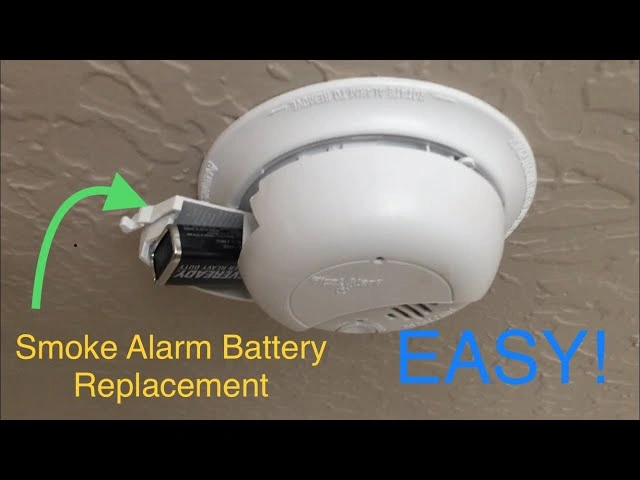
Image Source: YouTube
Battery problems are the biggest reason why smoke detectors chirp. You can fix this quickly by replacing or checking the power source once you figure out the chirping pattern.
How to replace battery in battery-powered units
Most home smoke alarms use either 9V or AA batteries. AA batteries pack about three times more power than 9V ones, so they last longer. Your smoke detector batteries need replacement every six months to stay safe, whatever their chirping status. Many people use Daylight Saving Time changes as their twice-yearly reminder to handle this crucial task.
Here’s how to replace batteries in standard units:
- Put a ladder safely under the chirping detector
- Twist the detector cover counterclockwise (about a quarter turn) until it comes off
- Remove the old battery and note how the positive and negative terminals are arranged
- Put in a fresh battery that matches the positive (+) and negative (-) markings
- Close the battery compartment firmly, or twist the detector clockwise onto its mounting plate
- Push the test button to make sure it works
To get the best results, use quality alkaline batteries that won’t expire for at least 4-5 years. Alkaline batteries keep their power longer than carbon-zinc ones, which only last about two years with minimal use.
The newer 10-year smoke alarms come with sealed lithium batteries built to last as long as the unit itself. These don’t need battery changes, but you’ll have to replace the whole unit after it expires.
How to stop smoke detector from chirping without battery
Sometimes smoke detectors keep chirping after you take out the battery because of leftover power in the capacitor. Here’s how to stop this:
- Take the battery out completely
- Hold down the test button for 15-20 seconds to drain any remaining power
- Let go of the button once the power’s gone
If your battery-powered unit keeps chirping after this, look for dust or dirt on the battery terminals. Even tiny bits of dirt can mess up the electrical connection. Clean those terminals before putting the battery back in.
Battery issues in hardwired detectors
Hardwired smoke detectors connect to your home’s power but also have backup batteries for power outages. These units chirp just like battery-only models when backup batteries run low.
Here’s how to fix battery issues in hardwired units:
- Cut power to the smoke alarm at your breaker box (this step is crucial)
- Take the detector off its mounting bracket (usually by twisting counterclockwise)
- Unplug the power connector (you’ll need to press gently to release it)
- Take out the old backup battery
- Hold the test button for 15 seconds to clear any error messages
- Put in a new battery the right way
- Plug the power cable back in and mount the detector
- Turn the power back on
- Test the unit with the test button
Hardwired units might chirp because of loose wires, power surges, or circuit problems. If it keeps chirping after you change the battery, check your circuit breaker and make sure all wires are tight.
Note that even the best batteries need replacement eventually. Making this simple maintenance part of your routine will keep your smoke detectors ready to protect your family.
Step 3: Clean and Reset the Detector
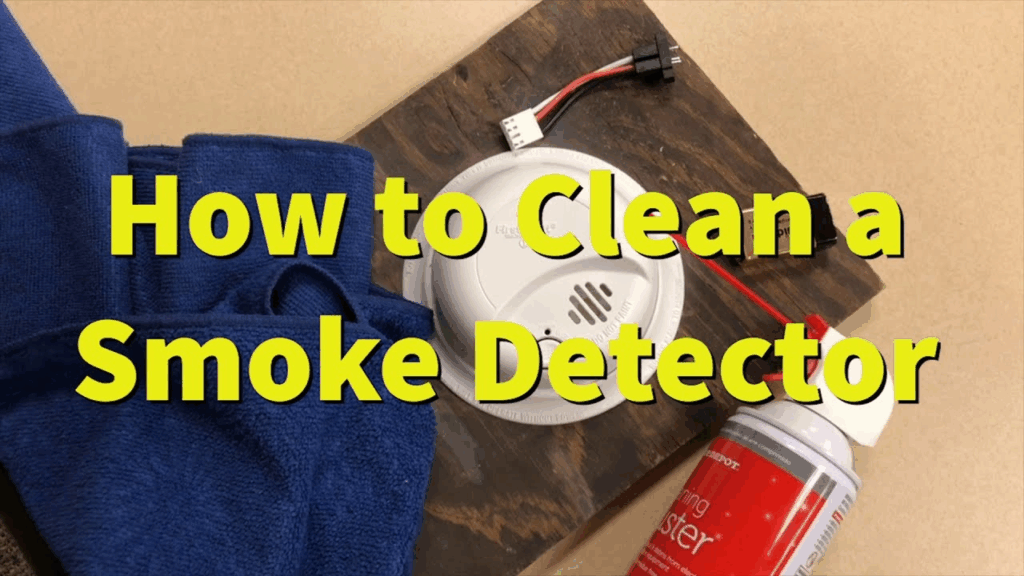
Image Source: YouTube
Smoke detectors often chirp because of dust buildup or wrong reset steps. Your detector might keep giving false alarms even after you put in new batteries.
Remove dust and insects
Dust and bugs can affect your detector’s performance by a lot. A clean detector works better and won’t give false alarms. Here’s how to maintain it properly:
- Turn off power to hardwired units first at the breaker box
- Use a soft brush attachment to vacuum around the exterior vents. This removes dust, cobwebs, and debris
- Take a slightly damp cloth and wipe the cover gently (don’t put cleaning solutions or water directly on the unit)
- You can clean more deeply by taking the detector off its mounting plate and vacuum the internal chamber
Experts recommend cleaning the outside monthly and doing a deeper clean every three months. You might need more frequent cleaning in dusty areas. It’s worth mentioning that sensors or circuits can get damaged if you use solvents, cleaners, or paint near your detector.
Use the test/reset button
Your detector needs a proper reset after maintenance or during regular testing. This helps it work normally:
- Find the test button on your alarm unit
- Press and let go of the button (holding it down isn’t necessary)
- You’ll hear a quick sound, then the unit goes back to standby mode
The chirping might continue after cleaning and new batteries. Try this to clear any leftover power:
- Take out the battery completely
- Hold down the test button for 15-30 seconds to drain remaining power
- Put the battery back in and test the unit
Testing your detector monthly shows it’s working between maintenance checks.
Clear saved errors in smart alarms
Smart detectors keep error codes that might make them chirp until you reset them properly. Each brand has its own reset steps:
Bosch smart alarms need these steps:
- Remove the battery
- Wait 20 seconds or quickly press the control button
- Put the battery back while holding the operating button until you see a red flash
- Let go briefly, then hold again until you hear a short beep
For Netatmo smart alarms:
- Open the app settings
- Pick your home and the specific alarm
- Click the “Reset” option
- Hold the configuration button on the back until the blue LED lights up
These steps will restore factory settings and clear those stubborn error codes that cause chirping. Remember that resetting won’t fix Wi-Fi or connection problems with smart devices.
Step 4: Inspect for Environmental or Electrical Issues
Smoke detector chirping doesn’t just come from dead batteries or dust buildup. The unit can act up due to environmental conditions and electrical problems. These issues can stick around even after you put in new batteries or clean the detector.
Humidity and steam interference
Moisture in the air can affect how smoke detectors work by a lot. High humidity, steam, and condensation might set off false alarms or make the detector chirp, especially near bathrooms and kitchens. This happens because the detector can’t tell the difference between smoke particles and water droplets.
Your detector might start acting up because of these common conditions:
- Temperatures going beyond what’s recommended – 40°F-95°F for smoke alarms and 40°F-100°F for carbon monoxide detectors
- Too much humidity or water collecting inside the alarm
- Steam from your shower or cooking that looks like smoke to the detector
The best way to avoid these problems is to put detectors at least 10 feet away from steamy areas. It also helps to use exhaust fans or open windows when there’s steam.
Hard wired smoke detector chirping due to surges
Power surges can mess with hardwired smoke detectors. These surges damage the parts inside, which makes the detector chirp randomly or beep non-stop. Many people notice their detectors chirp at the same time each day, usually when power companies switch between electrical grids.
Hardwired systems can get knocked out of whack by power changes because they need steady electricity to work right. The detectors might act strange after blackouts or storms as they try to get back to normal. Backup batteries should kick in during outages, but surge damage usually hits the detector’s electronics instead.
Check circuit breakers and wiring
Loose wires are another reason detectors start chirping. In hardwired units, a loose hot wire can cut power on and off, making the detector think there’s a power failure. The same thing happens with disconnected neutral wires.
Here’s how to check for wiring problems:
- Look at the circuit breaker that controls your connected alarms
- Reset any tripped breakers to clear error codes
- Check wire connections where each detector is mounted
- Test everything after doing electrical work
If the chirping won’t stop, see if it happens when other devices turn on – this might mean the circuit is overloaded. Note that a working hardwired system should let any detector trigger all connected units during testing.
Step 5: Replace the Unit If Needed
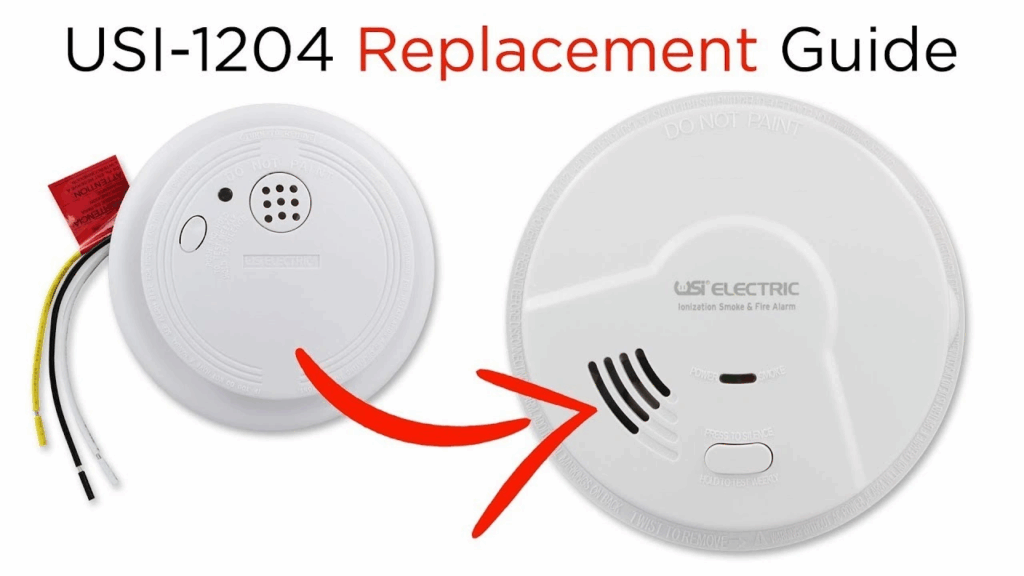
Image Source: YouTube
You might need to replace your smoke detector after trying all troubleshooting options. These devices won’t last forever, and you should know the right time to replace them to keep your home safe.
How to know if your detector is expired
Your smoke detector needs replacement every 10 years from its manufacture date, even if it works perfectly. The sensors inside lose their sensitivity to smoke particles as time passes. You can find your detector’s age by taking it down from the ceiling and checking the manufacture date on its back or bottom.
The plastic housing turns yellow, the device keeps chirping after new batteries, or the date becomes unreadable – these signs suggest you need a replacement. Most units will signal their end-of-life with specific chirping patterns, usually two beeps every 30-60 seconds.
Choosing between ionization and photoelectric models
The detection technology matters when picking a new detector. Ionization models work best for fast, flaming fires but use a small radioactive component. These models are being phased out now.
Photoelectric detectors catch smoldering fires better and have fewer false alarms. They use light sensors instead of radioactive materials, which makes them more popular today.
The National Fire Protection Association suggests using both technologies to get detailed protection. You can find dual-sensor models that combine both methods in one unit.
Professional installation tips
Battery-operated units work fine with DIY installation, but hardwired systems need professional help, especially when you have complex setups. The installation becomes easier when you replace hardwired detectors with the same brand, which prevents wiring problems.
Local building codes have specific requirements for detector placement during renovations or new construction. Note that interconnected systems should trigger all units when any detector is tested. Professional installation will give you proper system integration and meet all regulations.
Conclusion
Smoke detector maintenance is a vital part of home safety that many homeowners ignore until they hear that annoying chirp. The steps above can save your sanity and lives. Your detection units will work better and longer with regular maintenance, whatever type you have.
A simple battery change fixes most chirping problems. Dust buildup, environmental factors, and electrical issues might need extra troubleshooting. A step-by-step approach from understanding chirp patterns to professional installation will give your detection system the best performance.
It’s worth mentioning that smoke detectors don’t last forever. After approximately 10 years, sensors degrade and units need replacement, even with proper care. When replacing, dual-sensor models offer the best protection. These combine ionization and photoelectric technologies to detect both fast-flaming and slow-smoldering fires.
Your smoke detector maintenance should be a regular habit, not just a response to annoying chirps. Make it a routine to change batteries during daylight saving time. Test monthly and clean quarterly. This simple schedule ended up protecting what matters most—your home and family.
FAQs
1. Why is my smoke detector chirping and how can I stop it?
Smoke detectors typically chirp due to low battery power, dust accumulation, or reaching the end of their lifespan. To stop the chirping, first identify the pattern, then replace the battery, clean the unit, or replace the entire detector if it’s over 10 years old.
2. How often should I replace the batteries in my smoke detector?
Experts recommend replacing smoke detector batteries every six months, regardless of chirping. Many homeowners use Daylight Saving Time changes as convenient biannual reminders for this essential maintenance task.
3. Can humidity affect my smoke detector’s performance?
Yes, high humidity and steam can interfere with smoke detectors, potentially causing false alarms or intermittent chirping. Install detectors at least 10 feet away from high-humidity areas and ensure proper ventilation in bathrooms and kitchens.
4. How do I know if my smoke detector needs to be replaced?
Smoke detectors should be replaced every 10 years from their manufacture date. Signs indicating replacement include yellowing of the plastic housing, constant chirping despite battery changes, or if the manufacturing date is illegible. Most detectors will signal their end-of-life through distinctive chirping patterns.
5. What’s the difference between ionization and photoelectric smoke detectors?
Ionization detectors are better at detecting fast, flaming fires but contain a small radioactive element. Photoelectric detectors respond better to smoldering fires and produce fewer false alarms. For comprehensive protection, consider using both technologies or a dual-sensor model that combines both in one unit.
Atlas Paragon Small Business Operations & Security Guides
Independent, evidence-backed checklists for small-business software selection, accounting workflows, and security.