

What is Servantful?
Simple Definition of Servantful
Servantful combines two core concepts: service and mindfulness toward others. The term describes an approach to providing help that operates with thoughtfulness, responsiveness and genuine human consideration. Servantful emphasizes the experience of the person receiving support rather than focusing on task completion or operational speed alone. This orientation prioritizes listening before acting and responding with care while you retain responsibility throughout the interaction.
Origin and Structure of the Term
Servantful follows a standard English word-formation pattern. It combines the noun “servant” with the suffix “-ful.” “Servant” as a base word traces back through Middle English “servant, sarvaunt” to Anglo-French, derived from the past participle of “servir” meaning “to be in attendance on, serve”. Latin “servire” (to be a slave, serve) and “servus” (slave, servant) form the etymological roots that extend further back. Proto-Indo-European root “*ser-wo-” evolved through Latin “servus” and “servitium” (slavery, servitude) before entering Old French as “servant”. English first used “servant” in the 13th century.
Adding the suffix “-ful” transforms the noun into an adjective. It indicates “full of” or “characterized by” the quality of the root word. Servantful in this construction indicates a quality characterized by service-oriented behavior or a servant-like attitude in providing assistance.
Is Servantful a Real Dictionary Word?
Servantful does not appear in major dictionaries such as Merriam-Webster, Cambridge Dictionary, or Oxford English Dictionary based on standard lexicographic references. A neologism or contemporary construction rather than a recognized dictionary entry, the term has not achieved standardized lexicographic recognition. “Servant” maintains clear dictionary definitions across major reference works, but the “-ful” derivative remains absent. This absence from authoritative dictionaries indicates the term functions in specialized or informal contexts rather than as part of the standard English lexicon.
How to Use Servantful in a Sentence
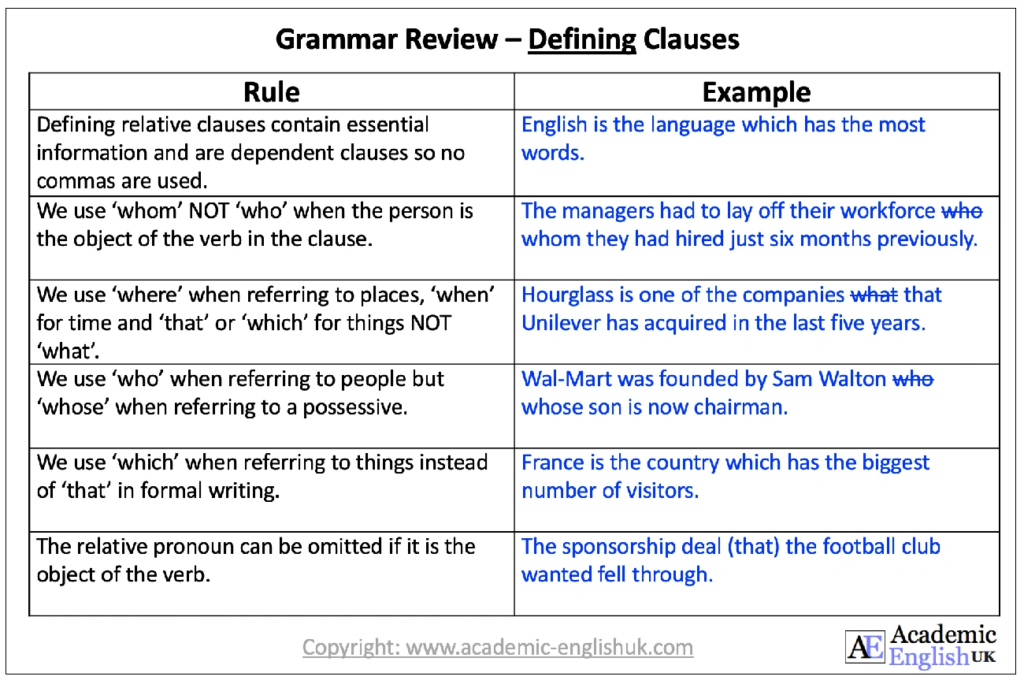 Basic Grammar Rules
Servantful modifies nouns as an adjective and describes qualities related to service-oriented behavior. The term follows standard English adjective patterns and functions both attributively and predicatively within sentence structures. Servantful operates similarly to other “-ful” suffix adjectives such as helpful, mindful, or thoughtful.
The comparative and superlative forms follow regular patterns: more servantful and most servantful. These constructions sound more natural than irregular forms like “servantfuller” or “servantfullest”. Servantful can be modified by degree adverbs including very, quite, or especially to adjust intensity in standard usage.
Common collocations pair servantful with specific nouns: mindset, leadership, approach, culture, and attitude. These combinations establish consistent usage patterns within organizational and interpersonal contexts.
Natural Sentence Patterns
The attributive position places servantful before the noun it modifies. This construction appears most frequently in formal and professional writing. Standard attributive patterns include a servantful leader, a servantful approach, and servantful communication. These phrases follow the same structure as other quality descriptors in English.
Predicative usage positions servantful after linking verbs, especially forms of “to be” (is, are, was, were). An example demonstrates this pattern: “Her leadership style is servantful—she removes roadblocks and shares credit”. Predicative constructions also work with other linking verbs including “seems,” “appears,” or “becomes.”
The predicative form allows writers to make direct statements about subject qualities. This structure supports explanatory or descriptive contexts where the characteristic requires elaboration beyond simple noun modification.
When to Use Servantful
Servantful functions best when describing behaviors, approaches, or attitudes that demonstrate service-oriented qualities in practical contexts. The term applies to situations with support, assistance, or facilitation where the helper prioritizes the needs and success of others.
Context remains critical to appropriate usage. Phrases requiring specific description benefit from servantful as a modifier: “building a servantful mindset” or “developing servantful habits” provide clear meaning. The term loses effectiveness when used in isolation without supporting context.
The adjective distinguishes itself from related concepts through its focus on everyday behaviors rather than formal philosophies. Writers employ servantful to describe observable actions and attitudes in leadership, customer service, or interpersonal interactions where service orientation demonstrates itself through specific practices.
Servantful Examples in Different Contexts
 Servantful in Leadership
Leadership contexts demonstrate servantful qualities through specific managerial behaviors that prioritize team enabling over control. A manager clearing blockers quickly and allowing the team to own solutions exemplifies this orientation. Servantful leaders approach deadlines by protecting both quality standards and team capacity rather than demanding output at any cost. The listening-over-lecturing approach characterizes servantful facilitation, especially in retrospective meetings where understanding precedes direction.
The enabling dimension involves giving workplace responsibility for individual actions while acknowledging employee talents and strengths. Servantful leadership expresses humility through the recognition that leaders are neither omniscient nor omnipotent. Leaders accept that employees may possess superior knowledge and experience in certain domains. Authenticity enables servantful leaders to demonstrate that employees can be themselves within work environments that genuinely encourage this openness. Knowledge workers just need autonomy to function well, so servantful leaders create workplace freedom that supports independent operation.
Servantful in Customer Service
Customer service interactions reveal servantful approaches through problem-solving methodology rather than superficial politeness. Handling complaints with calm tone, clear steps and genuine ownership characterizes servantful support behavior. The difference lies in addressing root problems instead of applying temporary fixes.
Servant leadership principles in customer service emphasize understanding customer needs through active listening to stakeholder concerns. Providing tailored solutions demonstrates servantful responsiveness to individual circumstances. Taking initiative to solve problems before they escalate reflects servantful anticipation. Empathetic involvement focuses on building trust through understanding rather than transactional exchanges.
Servantful in Personal Relationships
Personal relationships benefit from servantful attitudes through reciprocal support structures. Building a servantful culture within family dynamics involves helping each other without maintaining transactional scorekeeping. Servantful behavior in partnerships requires noticing what the other person needs while communicating personal needs at the same time.
Serving your partner from a loving stance influences relationship quality, especially when thinking of the partner’s needs precedes personal considerations. Trust-based communication is a principal attribute of servantful relationships and leads to increased partner satisfaction. Starting with internal self-relationship development creates the foundations for healthy external servantful interactions with others.
Common Mistakes When Using Servantful
Confusing Servantful with Subservient
Misapplication occurs when servantful becomes conflated with subservient behavior. The difference centers on autonomy and power dynamics. Subservience requires yielding autonomy and accepting subordinate positioning beneath another person. The prefix “sub-” denotes “under,” “beneath,” “lower,” or “less important,” showing hierarchical inequality. Subservient behavior shows as obsequious, servile, or slavish compliance characterized by extreme deference and abject obedience.
Servantful behavior maintains clear boundaries and expectations while supporting others’ success. Serving allows retention of personal identity and objectivity. Subservience just needs abandonment of Spirit-led intentions and autonomous decision-making. Servantful approaches involve honest assessment of genuine needs rather than yielding to all requests or manipulation. Research on servant leadership links this orientation with positive work outcomes like participation and job satisfaction, and distinguishes it from doormat behavior.
Using Servantful Without Context
Isolated usage diminishes clarity and effect. The phrase “We are servantful” lacks specificity regarding behaviors or practices. Effective application requires contextual elaboration that demonstrates concrete actions. To cite an instance, “We’re building a servantful mindset—we listen first, then act to remove friction” provides operational meaning. “Be servantful by helping them succeed—while keeping clear boundaries and expectations” clarifies the approach through specific guidance.
Context-free usage fails to communicate the applicable elements that distinguish servantful from general politeness or superficial customer service. The term functions best when paired with specific behaviors, outcomes, or methodologies that illustrate service orientation in practice.
Overusing the Term
Excessive repetition transforms meaningful descriptors into ineffective jargon. When every paragraph contains “servantful,” the term undergoes semantic bleaching and loses communicative force. This phenomenon occurs with words used so often that they lose specific meaning and emotional effect. Rotation with related terminology maintains freshness and precision. Alternative expressions include service-first, people-first, empathetic leadership, supportive leadership, humble leadership, empowering leadership, care-driven culture, and coaching mindset. Varying vocabulary prevents the term from becoming a tired phrase or platitude that readers dismiss as management-speak devoid of substantive meaning.
Servantful vs. Servant Leadership
Servant leadership represents a recognized leadership philosophy formalized by Robert K. Greenleaf in his 1970 essay “The Servant as Leader”. This framework emphasizes sharing power and prioritizing the growth and well-being of people and communities. Success is measured by whether those served become healthier, wiser, freer, more autonomous, and more likely themselves to become servants. The philosophy contrasts with traditional leadership models with power accumulation and exercise by those at the top of organizational pyramids.
Servantful functions as a more casual descriptor for everyday behaviors that reflect this philosophy rather than the formal theory itself. Servant leadership operates as a structured management model with specific principles. Servantful describes the broader quality and mindset behind service-oriented approaches. Specific behaviors characterized as servantful include listening well and coaching. They also include protecting focus time, giving credit to others, and supporting development.
The difference extends beyond semantic preference. Servant leadership applies within organizational hierarchies and formal leadership contexts. Servantful extends into broader personal, organizational, and operational frameworks not limited to executives or managers. Teachers staying late to help students illustrate servantful behavior outside formal leadership structures. Customer support professionals listening before responding or community volunteers who strengthen rather than direct others also show this quality.
The “servant” terminology requires careful application due to potential misinterpretation. Modern servant leadership emphasizes empowerment rather than submission, yet the language can be misread as subservient positioning. Clarification strategies include pairing servantful with qualifiers: “servantful without being self-sacrificing,” “service-first and accountability-driven,” or “supportive but not enabling”. These clarifiers distinguish service orientation from hierarchical subordination and maintain the core meaning of attending to others’ needs and growth.
FAQs
1. Is “servantful” an official word in the dictionary?
No, servantful does not appear in established dictionaries like Merriam-Webster, Cambridge Dictionary, or Oxford English Dictionary. It’s a contemporary construction or neologism that combines “servant” with the suffix “-ful,” but it hasn’t achieved formal lexicographic recognition yet.
2. What’s the difference between being servantful and being subservient?
Servantful behavior maintains clear boundaries and supports others’ success while retaining personal autonomy and identity. Subservient behavior, on the other hand, involves yielding autonomy, accepting subordinate positioning, and showing extreme deference or obedience. Being servantful means helping others without losing your own agency or becoming a doormat.
3. How do you properly use servantful in a sentence?
Servantful works as an adjective that modifies nouns, either before the noun (attributive) like “a servantful leader” or after linking verbs (predicative) like “her approach is servantful.” It’s most effective when paired with context that explains specific behaviors, such as “building a servantful mindset—we listen first, then act to remove friction.”
4. How is servantful different from servant leadership?
Servant leadership is a formal leadership philosophy developed by Robert K. Greenleaf in 1970, primarily applied in organizational hierarchies. Servantful is a more casual descriptor for everyday service-oriented behaviors that can apply to anyone in any context—not just formal leaders. While servant leadership is a structured management model, servantful describes the broader quality and mindset behind helping others.
5. What are some practical examples of servantful behavior?
Servantful behavior includes listening before acting, removing obstacles for team members, handling customer complaints with genuine ownership, helping family members without keeping score, protecting team capacity during tight deadlines, and coaching rather than directing. It’s about prioritizing others’ needs and success through concrete, thoughtful actions rather than just being polite.
AI and Data Science for Decision Makers
Equip leadership and operations teams to evaluate, scope, and govern production AI initiatives.