
The world of health and wellness is in the midst of a seismic shift due to the exponential growth of artificial intelligence. Fitness app development has also come a long way from simple activity trackers, and now we have entered an age in which connected systems offer sophisticated, completely custom experiences backed by data. Companies in the healthcare and wellness space are increasingly embracing AI-driven platforms to keep pace with evolving consumer demand for smarter, more personalized digital fitness solutions.
The inclusion of AI in the development of mobile health is changing the way that users train, recover, and sustain long-term health. A contemporary fitness app development firm sits at the crossroads of AI (artificial intelligence), behavioral science, and mobile engineering, offering an app that learns and evolves as you do.
The guide covers everything custom fitness app development with AI, including a market overview, basic features, development steps, tech stacks options, pricing, and the future of smart health platforms.
What is AI Fitness App Development?
AI fitness app development is the activity of designing smart health and fitness apps that use machine learning, predictive data analysis, and automation to get users better results. Contrary to conventional fitness app creation, AI-enabled applications adjust on the fly according to user behavior, performance indicators, and physiological information.
Conventional fitness apps usually provide static libraries of exercises to perform and manual logging, for instance. On the other hand, IoT and AI-enabled solutions objectively analyze live data to recommend the best fitness regime, predict health risks, and offer personalized coaching. Using state-of-the ai development, these apps enhance engagement, accuracy, and recall over the long term.
AI adds a personal touch by customizing workouts, nutrition advice, and recovery plans. Analytic tools turn raw health data into actionable insights, and smart automation provides ongoing support without people.
Market Trends Driving AI Fitness App Development in 2026
As for now, the proliferation of AI in health and fitness app development is driven by several strong tendencies that are transforming the digital wellness market.
It is built on an expectation of personalised fitness experiences. People want programs that change and adapt with their goals and current state. With overlay on top of wearable and IoT sensors, fitness app development has extended to monitor health around the clock.
Virtual trainers and AI coaching systems are also becoming popular, replacing static content with interactive, real-time feedback. Meanwhile, we now have data-led health insights that are informing and educating its users about performance, recovery, and lifestyle habits.
Therefore, collaborating with a skilled AI software development company is inevitable for companies that strive to be competitive in the long-term.
Key Features of an AI Fitness Application
1. AI-Powered Personal Workout Plans
Smart workout engines based on user data, fitness level, and goals to create adaptive training plans. This feature is one of the major benefits of the development of sophisticated fitness apps.
2. Smart Nutrition and Diet Recommendations
Using nutrition modules powered by AI, the app suggests meals based on how active someone is, their metabolic information, and what they like to eat, living fitness, and food in a combined existence.
3. Real-Time Activity Tracking
Apps log workouts, movement patterns, and vitals in real time via sensor integration and machine learning models to provide instant feedback and insight.
4. Voice and Chat-Based AI Coaching
Conversational AI in the fitness space makes your workouts interactive by providing voice-activated workout instructions, motivation nudges, and immediate responses to fitness questions.
5. Predictive Health Analytics
Predictive models detect trends, analyze the risks of injury, and suggest preventive actions, above all demonstrating a potential insight from the perspective of AI development.
6. Integration with Wearables and Health Devices
Intuitive linking with smartwatches, heart rate monitors, and medical devices provides thorough data capture for increased user accuracy.
Benefits of AI in Fitness App Development
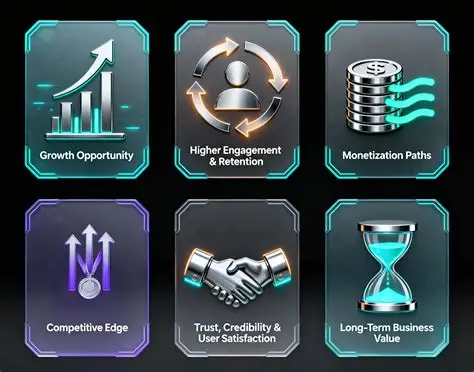
Digital Fitness Platforms are being enhanced with artificial intelligence, so they become more intelligent, adaptive, and customer-oriented. The AI-powered fitness applications are a move beyond simple tracking to provide useful insights that drive better results and business.
Key benefits include:
- Personalized Fitness Experiences: The AI studies behavior, fitness levels, goals, and preferences to deliver the most personalized workout and wellness plans.
- Real-Time Performance Monitoring: Smart algorithms monitor activity, vitals, and movement patterns in real-time, allowing instant feedback and optimization.
- Improved User Engagement and Retention: AI-based suggestions, gamification, and adaptive challenges give users even more motivation to stay engaged.
- Automated Coaching and Support: Virtual trainers and AI chatbots offer unlimited guidance 24/7, meaning less reliance on real-life personal trainers.
- Data-Driven Health Insights: Data gets turned into actionable insights through advanced analytics for better decision-making.
- Predictive Injury and Health Risk Detection: AI models detect signs of overtraining, fatigue, or potential susceptibility to injury.
- Scalability for Businesses: AI-based systems can also help fitness platforms to scale with very little increment in their operational costs.
Overall, AI improves the user experience and scalability of business…and has become an integral element in fitness app development processes.
Step-by-Step Process of AI Fitness App Development
Step 1 – Market Research and Idea Validation
A successful project starts with a deep understanding of the market, competitive set, and user personas to ensure demand and differentiation.
Step 2 – Choosing the Right Fitness App Development Company
When you hire fitness app developers from any experienced development company for your AI app, you can rest assured that a scalable, compliant, and performant enterprise is the result.
Step 3 – Defining AI Use Cases
Concrete specification of the AI aspects, like personalization, prediction, or automation define the development roadmap.
Step 4 – UI/UX Design for Fitness Apps
User-centered design emphasizes simple, intuitive navigation; accessibility and motivation-based interfaces that are optimized for fitness interaction.
Step 5 – AI Model Development and Integration
Machine learning models are trained, tested, and integrated into the application architecture by a skilled AI app development company.
Step 6 – Testing and Quality Assurance
Upon production of the templates, they must be tested against control data in a variety of test environments to attain the service level and other metrics using third-party monitoring software.
Step 7 – Deployment and Post-Launch Optimization
Regular monitoring, updates, and AI model development guarantee the continuous success of your implementation and user experience.
Technology Stack for AI Fitness Application Development
The system stack required to create high-performance AI fitness apps must be strong and scalable. The perfect combination of tools ensures seamless operation, precise AI predictions, and secure data management.
Commonly used technologies include:
Frontend Technologies
- React Native
- Flutter
- Swift (iOS)
- Kotlin (Android)
Backend Infrastructure
- Node.js
- Python
- Java
- Microservices architecture
AI and Machine Learning Frameworks
- TensorFlow
- PyTorch
- Scikit-learn
- Keras
Cloud Platforms
- AWS
- Google Cloud Platform
- Microsoft Azure
Databases and Storage
- PostgreSQL
- MongoDB
- Firebase
- Redis
APIs and Integrations
- Wearable device APIs (Fitbit, Apple Health, Google Fit)
- Payment gateways
- Third-party health data APIs
Security and Compliance Tools
- Data encryption
- Authentication protocols
- GDPR and HIPAA compliance mechanisms
A well-architected technology stack plays a significant role in the longevity, reliability, and scalability of AI fitness app development.
Cost of AI Fitness App Development
The price of developing an AI fitness app depends on a number of aspects. Budgets are heavily affected by the complexity of functionality, AI intricacy, and the level of data processing. The particular platform (iOS, Android, or cross-platform) determines the range of development.
The physical location of the development team, regular maintenance, and continued AI optimization also make up for the total investment. Hiring a good AI app development company will help you to make things like cost transparency clear and guarantee the best value over time.
How to Choose the Right AI App Development Company
It’s very important to choose the right partner. Industry experience, AI knowledge, and hundreds of reliable fitness app developers prove its reliability. Technology competencies, security requirements, and support after the launch are the main components of a stable partnership.
An experienced AI development outfit that provides strategic counsel, regulatory knowledge, and innovation-assured implementation.
Challenges in AI Fitness App Development
Having great potential, the next generation of fitness app development will be aimed at extracting training data, making analyzing these results time-consuming. Data protection and security are important for compliance with worldwide legislation. Artificial intelligence model performance relies on good-quality data and ongoing training.
Getting through the integration differences in devices and platforms requires architectural knowledge, but regulatory compliance brings operational headaches to healthcare app development.
Future of AI in Fitness Application Development
The future of intelligent fitness platforms is defined by innovation. Generative AI will power adaptive coaching content, while computer vision will enable posture correction and form analysis. Digital twins will simulate health scenarios, offering predictive wellness insights.
AI-powered mental wellness features will expand the scope of wellness app development, creating holistic platforms that address both physical and mental health.
Conclusion
AI is revolutionizing modern fitness for the better. Smart solutions allow you to be more precise, personalized, and scalable compared to conventional ones. Collaborating with a professional fitness app development company provides access to state-of-the-art AI development capability and sustained innovation.
With more and more AI-powered fitness platforms taking over the tech market, companies that are interested in investing in custom fitness app development services will set themselves apart at the forefront of the digital health revolution.
FAQs
1. What is AI fitness app development?
Costs vary based on functions, AI complexity, and improvement scope.
2. How much does fitness app development cost?
Costs vary based on features, AI complexity, and development scope.
3. Why hire an AI app development company?
Specialized expertise ensures accuracy, scalability, and long-term performance.
4. How long does fitness application development take?
Timelines are estimates and depend on the complexity of your app, as well as the level of AI in a sample app.
5. What technologies are used in AI development?
Typical technologies include machine learning toolboxes, cloud services, and mobile development environments.
Atlas Paragon Small Business Operations & Security Guides
Independent, evidence-backed checklists for small-business software selection, accounting workflows, and security.