
What is MIT Global Teaching Labs?
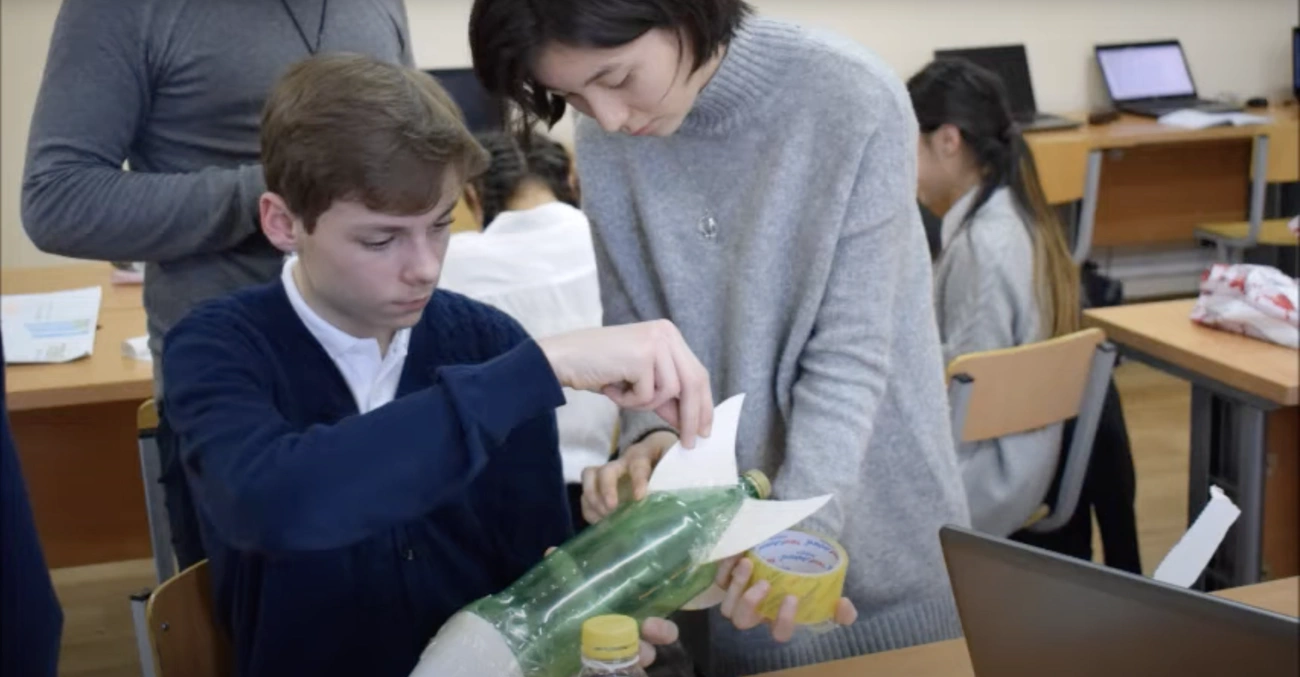
MIT Global Teaching Labs recruits top students from the Massachusetts Institute of Technology (MIT) to teach overseas as part of the institute’s hands-on learning approach. The program brings in Science, Technology, Engineering, and Mathematics (STEM) students who use their expertise and develop teaching skills in international schools.
Students learn best by teaching others – this forms the heart of Global Teaching Labs’ philosophy. MIT students must combine and present their knowledge clearly, work together in teams, and connect with peers from different cultural backgrounds. This creates a win-win situation where MIT students boost their communication and teaching skills while host institutions get specialized STEM instruction.
Schools and colleges that take part in this initiative receive face-to-face tutoring, project work, and guidance from MIT student-instructors. The program helps students connect better with STEM subjects through ground issues and project-based learning methods. On top of that, it helps learners reach their full potential in and outside the classroom.
The program has built strong international alliances, including one with the Welsh Government. To cite an instance, MISTI Global Teaching Labs in Wales brings MIT instructors into Welsh classrooms and staff rooms. They conduct workshops, cross-disciplinary projects, and masterclasses. The Welsh Government fully funds this initiative, making it free for participating schools and colleges.
Teachers also benefit from the Global Teaching Labs program. STEM teachers in Wales can access custom professional learning courses through MIT’s Scheller Teacher Education Program (STEP). This extends the program’s influence by supporting both students and teachers at host institutions.
Global Teaching Labs keeps growing. One implementation alone has reached over 60,000 students since it began. Schools can use a resource bank with more than 250 hours of material recorded by previous instructor-students whenever needed. The program runs at specific times – the Wales initiative happens every January.
MIT students find that Global Teaching Labs is a chance to grow broader skills while using their specialized knowledge in real educational settings. They learn to explain complex ideas to different audiences while gaining international exposure and cross-cultural understanding.
How does the Global Teaching Labs program work?
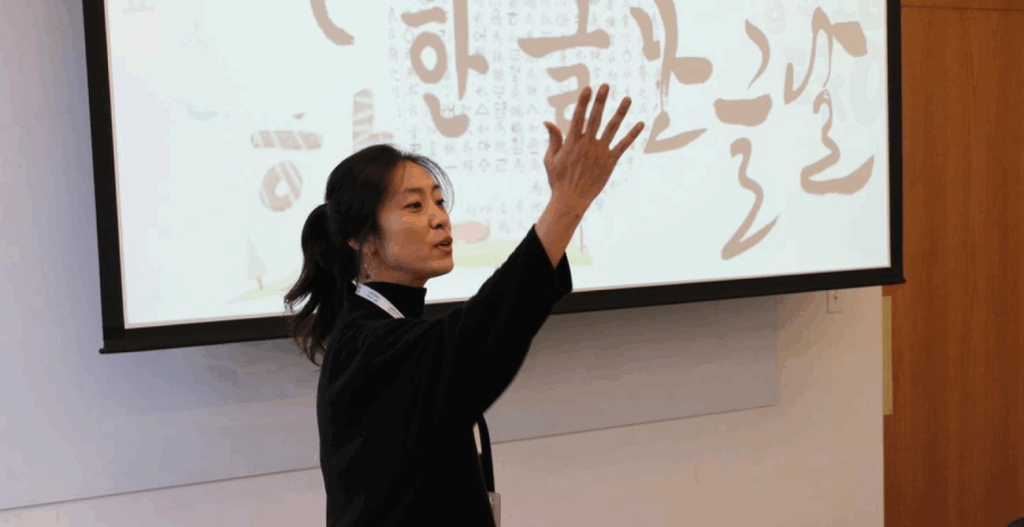
MIT’s Global Teaching Labs program selects about 400 students each year through a structured recruitment process. Students teach internationally between January 5-30, with programs lasting three weeks on average. Program duration varies slightly in different countries.
The program has clear teaching guidelines. MIT students teach in English, either solo or in teams up to 20 hours weekly. Regular teachers at host schools supervise their work. Students must use hands-on teaching methods that reflect MIT’s problem-solving approach to experiential learning.
Living arrangements change by country. Students live with host families or stay in school dorms that host institutions or MISTI programs. MIT covers housing, airfare costs and gives students a small stipend for simple expenses.
Selected students need to complete their preparation thoroughly. They attend 6-8 training sessions that cover teaching methods and cultural awareness for their destination country. These sessions help MIT students adapt their teaching style to match different cultural settings.
The program’s selection timeline is specific. Students can pick two preferred countries and show interest in other available options. Country managers interview chosen applicants and make final decisions between mid-October and early November. Quick responses from selected students are essential, even before they know their exact teaching location.
Host schools want MIT students who can:
- Teach new subjects or strengthen existing ones through hands-on methods
- Get students excited about STEM topics
- Show local students and teachers MIT’s experiential methods
- Help others learn about MIT, American university culture, and the US university system
- Support host country students’ English language development
Program staff reviews applicants based on their subject knowledge, familiarity with MIT teaching methods, hands-on activity experience, teaching background, communication abilities, curiosity, flexibility, and host country language skills when needed. Teaching schedules and formats vary in different locations, ranging from class assistance to specialized workshop delivery.
MIT students spend January creating workshops, classes, and lab sessions, often collaborating with local teachers. This setup lets host schools benefit from MIT’s innovative STEM education approach while giving MIT students valuable teaching experience abroad.
Types of Global Teaching Labs programs
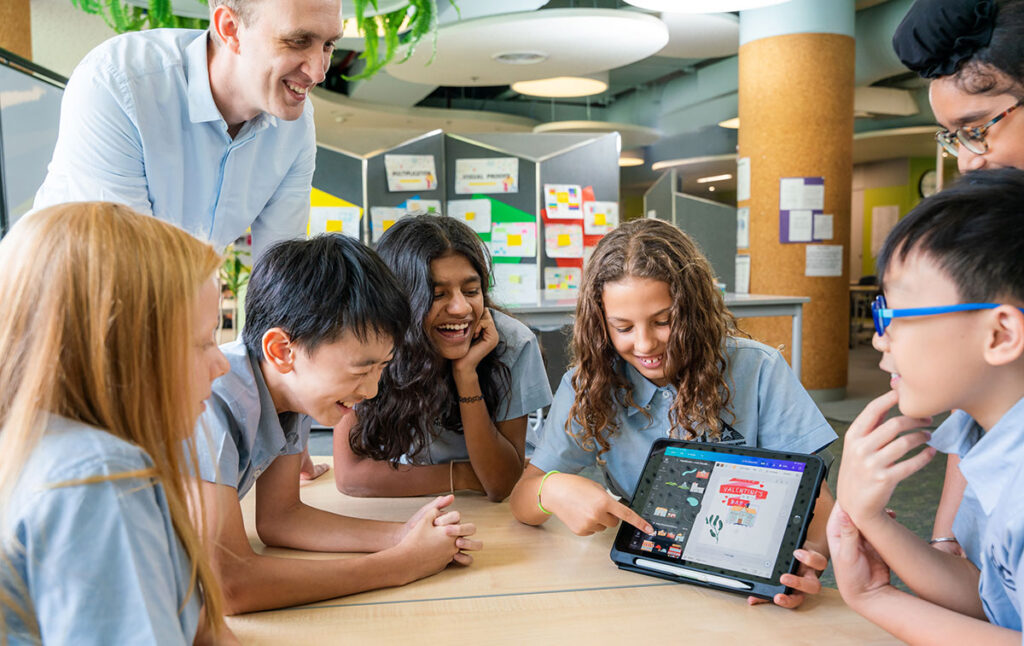
MIT’s Global Teaching Labs covers several unique program formats. Each format adapts to specific educational needs and goals. The program reaches students worldwide through different approaches.
High School Teaching Labs
High school partnerships are the life-blood of many Global Teaching Labs initiatives. MIT students teach hands-on STEM education to secondary school students through interactive workshops and project-based learning. The MISTI Global Teaching Labs in Wales serves as a prime example, with support from the Welsh Government’s education department. MIT instructors spend three weeks working directly with high school students and gain valuable teaching experience. Students at Bridgend College benefit from this approach, where MIT participants support Science and Engineering departments through teaching and mentoring.
University Collaborations
Strategic collaborations with universities worldwide create mutual learning opportunities. MIT students work with university faculty and students to deliver specialized curriculum. The University of Regensburg partnership showcases both teaching labs and an Entrepreneurship Boot Camp that follows MISTI’s successful Global Service Learning programs. Faculty members’ existing relationships are the foundations of these university partnerships.
Virtual Teaching Labs
MIT adapted to global challenges by creating virtual versions of its teaching labs. The online programs managed to keep education flowing during COVID-19 while reaching more students. The Biogen-MIT Biotech in Action: Virtual Summer Lab demonstrates this success by giving 400 Massachusetts and North Carolina high school students hands-on biotechnology experience through online mentoring and lab simulations. The MIT-Sudan Virtual Teaching Lab achieved similar results by connecting students from 14 of Sudan’s 18 states through interactive online sessions.
Short-Term Intensive Labs
Some Global Teaching Labs run as concentrated educational experiences. These two-week intensive programs focus on specific skills or disciplines. The MIT-Sudan program shows this format’s effectiveness by covering climate change, energy, design, and data science in a short time. Student projects conclude these brief sessions by applying new knowledge to community impact initiatives.
Benefits of participating in Global Teaching Labs
The Global Teaching Labs program benefits both MIT students and host institutions in many ways. Students and institutions create an environment where everyone learns from each other.
Cross-cultural exchange
Global Teaching Labs helps build meaningful connections across cultures. MIT students live with local students’ families and experience the host country’s rich traditions, customs, and hospitality. Students get to know the culture beyond their classrooms and build lasting friendships with their host communities.
These experiences help MIT students learn about the world we live in today. A student who taught in Israel said, “I exchanged knowledge with bright young minds that are the future of their country, and I learned that a global perspective is vital to better understanding your own environment”. Another student shared, “Don’t leave home to explore the world; make the world your home”. This shows how deeply cultural immersion affects students.
Hands-on teaching experience
Students blend and present their knowledge, work together in teams, and talk with peers from different cultures. This hands-on experience is great preparation for teaching in graduate school later.
MIT participants learn to:
- Make technical concepts simple for different audiences
- Create fun hands-on activities
- Explain complex ideas clearly
- Solve problems in teaching situations
A chemistry student’s experience in Mexico shows this well: “GTL was so much more than purely teaching. The program allowed me to experience working in a foreign country, adapt to the cultural customs of Mexico, and strive to be a better educator”. This shows how the program goes beyond teaching to help students grow professionally and adapt to new cultures.
Students also become more confident in their subjects by teaching others, which helps them understand complex ideas better.
Examples of Global Teaching Labs in action
Italy Global Teaching Lab
The Italian program stands as one of the largest global teaching labs at MIT. Nearly one hundred MIT students teach at more than 50 Italian high schools in 2025. Students teach mostly STEM subjects with a focus on physics. They can also teach mathematics, biology, chemistry, computer science, robotics, and artificial intelligence. First-year students have a unique chance to teach debate. The program runs for three weeks in January. MIT students teach up to 20 hours each week while local teachers supervise them. They stay with host families chosen by their schools.
Mexico Global Teaching Lab
MIT students in Mexico teach at both high schools and universities. Their subjects include physics, chemistry, mathematics, biology, computer science, and robotics. The program has special features like big data and decision-making workshops at Universidad Panamericana’s business school. Female students can teach STEM subjects to middle and high school girls. Whatever their assignment, students live with host families in cities like Mexico City, Aguascalientes, and Querétaro.
Germany Global Teaching Lab
Students choose the German program because it gives them strong internship opportunities in specific technical fields. In fact, many pick this location for its research positions in specialized areas like materials engineering. They work at prestigious places like Max Planck Institutes and enjoy the balanced work-life culture of German research settings. The original transition into German communities happens smoothly because locals are excited about the visiting MIT researchers’ work.
Virtual Labs during COVID-19
Physical travel became impossible, so virtual teaching labs became crucial adaptations. Schools found ways around pandemic restrictions by moving their teaching missions online. These virtual labs worked as round-the-clock available simulated versions of ground laboratories. Students learned practical skills from home. These online methods are still great ways to get high-quality science education despite location barriers.
FAQs
1. What is the MIT Global Teaching Labs program?
The MIT Global Teaching Labs is an educational initiative that sends high-performing MIT students to teach STEM subjects internationally. Participants gain hands-on teaching experience while host institutions benefit from specialized instruction and MIT’s innovative learning approaches.
2. How long do Global Teaching Labs programs typically last?
Most Global Teaching Labs programs run for about three weeks, usually between January 5-30. However, the exact duration can vary slightly depending on the specific country program.
3. What types of Global Teaching Labs programs are available?
There are several types of Global Teaching Labs programs, including High School Teaching Labs, University Collaborations, Virtual Teaching Labs, and Short-Term Intensive Labs. Each format is tailored to specific educational contexts and objectives.
4. What are the benefits of participating in Global Teaching Labs?
Participants benefit from cross-cultural exchange, develop global perspectives, gain hands-on teaching experience, and improve their ability to communicate complex concepts. The program also enhances their problem-solving skills in educational contexts and strengthens their understanding of their subject matter.
5. How are MIT students selected for the Global Teaching Labs program?
MIT selects approximately 400 students annually based on criteria such as subject knowledge, familiarity with MIT teaching methods, experience with hands-on activities, teaching experience, communication skills, curiosity, flexibility, and knowledge of the host country’s language when applicable. The selection process typically concludes between mid-October and early November.