

Anticimex 3D revolutionized pest control in Spain after acquiring WiseCon in 2017. The acquisition created a global center that replaced chemical-heavy methods with digital monitoring technology. Anticimex 3D Sanidad Ambiental deployed non-toxic, continuously monitored solutions across Spain and served city councils, hospitals, and food factories. Operations in Anticimex 3D Madrid and Anticimex 3D Valencia now demonstrate how smart sensors and up-to-the-minute data analysis outperform traditional scheduled inspections. This piece explores how Anticimex 3D Sanidad Ambiental SA established market dominance through technology-driven consolidation.
How Anticimex 3D Sanidad Ambiental and WiseCon United to Transform Spain’s Pest Control
The 2015-2017 Acquisition Timeline
WiseCon A/S operated as a Danish technology company specializing in poison-free rodent traps and electronic monitoring systems before Anticimex identified it as critical to digital expansion. Anticimex acquired 20 percent of WiseCon’s shares in January 2015 and marked the first step in a calculated strategy to dominate digital pest control services. The original investment proved successful over the following two years. Anticimex launched the SMART concept based on WiseCon’s technology during this period and installed more than 20,000 SMART rodent devices in markets worldwide.
The momentum from this partial ownership led Anticimex to complete a full acquisition in 2017 and purchase the remaining 80 percent of WiseCon. This transaction converted WiseCon from an independent supplier into Anticimex’s wholly owned innovation engine. More than 20 percent of Anticimex’s new sales consisted of SMART digital traps by this point and demonstrated market acceptance of the technology. Anticimex 3D Sanidad Ambiental SA benefited directly from this consolidation as the Spanish operations gained access to proprietary technology unavailable to competitors.
From Separate Companies to Integrated Innovation Center
WiseCon’s full integration established the Anticimex Innovation Center in Helsinge, Denmark, which assumed responsibility for developing digital solutions throughout the Anticimex Group. Jarl Dahlfors, CEO of Anticimex Group, confirmed the center would combine SMART competencies to develop digital rodent and fly control systems plus monitoring solutions for diverse pest control applications. The Danish facility concentrated research and development resources that previously operated separately in multiple countries.
Preben Fritzbøger, CEO of WiseCon, noted that Anticimex’s presence in 17 countries spanning Europe, North America, Asia, and Australia provided the distribution network necessary for rapid global expansion. The Innovation Center gained resources to develop products for new customer segments while Anticimex secured exclusive access to WiseCon’s poison-free trap technology. Anticimex 3D Madrid and Anticimex 3D Valencia operations received standardized equipment and training protocols from this central hub and eliminated the regional variations that complicated service delivery.
Why This Merger Changed Everything
The consolidation restructured pest control operations at its core from reactive service calls to continuous prevention systems. Digital pest control collects vital pest information remotely and manages it around the clock via central databases. Problems can be detected faster with corrective actions targeted using minimal or no pesticides. This operational change separated Anticimex 3D Sanidad Ambiental from traditional providers still dependent on scheduled inspections.
The consolidation strategy pursued four objectives: standardize technology and training in all branches, scale proven Danish solutions to Spain and other markets, integrate local expertise with global innovation, and transform pest control from reactive visits to continuous prevention. Anticimex 3D Sanidad Ambiental SAU implemented these principles by replacing isolated contracts for individual sites with connected locations monitored from single dashboards and substituting manual inspections on fixed schedules with live data from every location. The company shifted from reactive problem responses to preventive interventions based on activity patterns.
Digital solutions allow improved communication, documentation, and preventive protection for clients while remaining environmentally friendly. The merger positioned Anticimex 3D as the only provider in Spain capable of offering audit-ready digital records, 24/7 monitoring infrastructure, and poison-free mechanical systems through a single integrated platform.
The SMART Technology Behind Anticimex’s Market Dominance
 Connected Sensors Replace Manual Inspections
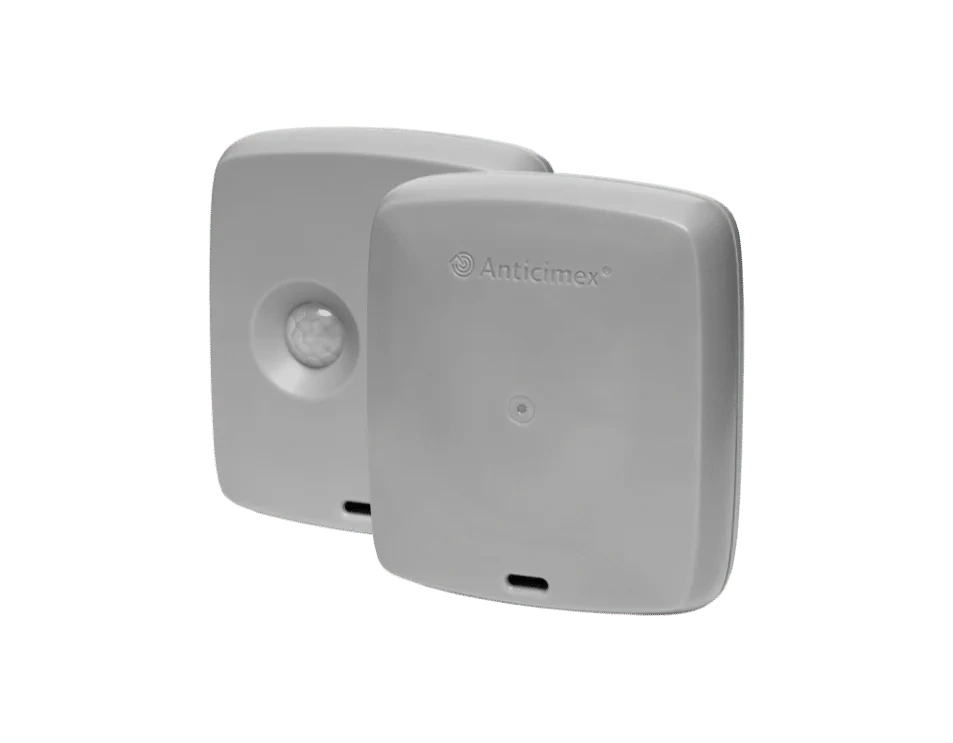
Smart Eye Mini sensors represent the life-blood of Anticimex 3D’s monitoring infrastructure. These waterproof and dustproof units mount on walls, bait boxes, attics, crawlspaces, and under sinks to detect rodents up to 6.5 feet away. The sensors operate with three configurable settings: on-a-bait-box mode, short range detection, and long range surveillance. They provide reliable data whatever the deployment environment. Anticimex 3D Madrid installations place sensors in hidden locations where traditional inspections fail to reach. This enables detection in blind spots that manual checks miss.
Smart Snap devices combine detection with capture functionality. Both watertight and dustproof, these mechanical traps report when rodents are caught while detecting movement through tunnels without capture. Each Smart Snap has a temperature sensor embedded that provides environmental data relating to pest activity patterns. Battery life extends up to five years and eliminates frequent service requirements. The covered design means clients never see captured rodents. This addresses esthetic concerns in hospitality and healthcare settings where Anticimex 3D Valencia operates.
Live Data Transmission and Alert Systems
Smart Connect Mini serves as the network hub and communicates wirelessly via mesh architecture with up to 200 connected devices. The system transmits data through GSM (Global Standard Network for mobile communication) to central reporting platforms. Field units have a 4G USB dongle installed that enables image transmission and calculated data upload to cloud servers, specifically Google Firebase live databases. Anticimex 3D Sanidad Ambiental technicians receive instant notifications when sensors detect activity, complete with timestamp and precise location data.
The communication infrastructure operates independently of client Wi-Fi networks. This means uninterrupted monitoring in facilities where network access is restricted. When activity levels exceed thresholds, the system sends alerts via mobile app and SMS. This allows immediate response before minor detections escalate. This constant reporting differentiates Anticimex 3D Sanidad Ambiental SA from competitors still reliant on scheduled visits that miss activity between inspections.
Non-Toxic Mechanical Traps vs Traditional Methods
All Anticimex SMART traps operate without toxic chemicals. Mechanical capture eliminates pesticide exposure risks in food processing facilities served by Anticimex 3D Valencia and healthcare environments monitored by Anticimex 3D Madrid. The European Chemicals Agency thinks about mechanical traps as effective alternatives to anticoagulant rodenticides for indoor mice control. They note by a lot lower risk for human and animal health compared to chemical methods.
Traditional rodenticides persist in environments for extended periods. They contaminate soil and water while entering food chains. Mechanical solutions prevent pest resistance development that occurs with repeated chemical exposure. Smart traps reduce preventive rodenticide measures and decrease overall chemical usage.
How AI Predicts Infestations Before They Spread
Algorithms analyze detection time and frequency to predict rodent populations before infestations occur. The system processes trend curves from continuous monitoring data and forecasts where and when pest outbreaks will likely emerge. Machine learning models achieved 97.50% accuracy in pest detection and counting during real-life testing. AI-based categorization occurs at edge devices before transmitting findings to stakeholders via cloud platforms.
Historical data analysis combined with live sensor input enables Anticimex 3D Sanidad Ambiental SAU to identify patterns invisible to human technicians. This predictive capability allows intervention during early warning phases rather than after populations establish. So facilities maintain pest-free status through analytical prevention instead of reactive treatments.
Anticimex 3D Sanidad Ambiental’s Strategic Presence Across Spain
Headquarters in Sant Cugat del Vallès, Barcelona
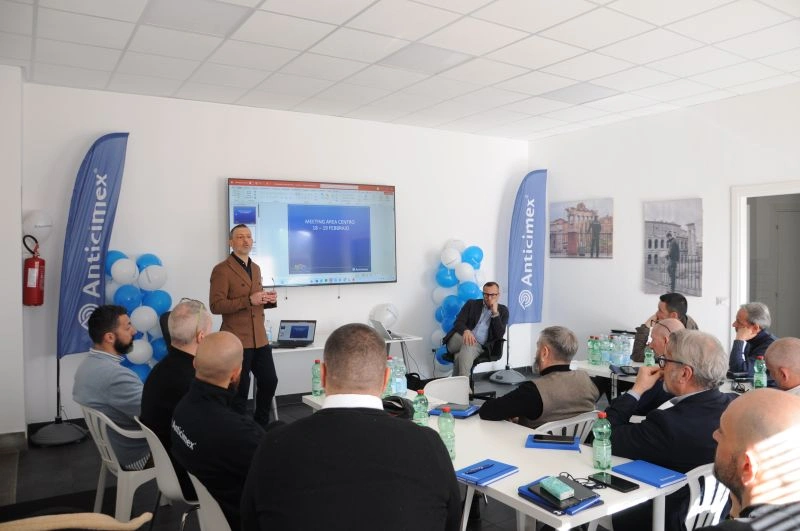
Josep Valls Baro serves as Managing Director of Anticimex 3D Sanidad Ambiental SA. The company’s headquarters sits at C/ Jesús Serra Santamans, 5 in Sant Cugat del Vallès. The facility coordinates operations across Spain through a centralized command structure that connects regional branches to the Innovation Center in Denmark. Administrative functions and regional coordination teams operate from an additional address at Avenida Alcalde Barnils 64-68 Módulo A Planta 1ª. The Barcelona metropolitan location provides strategic access to Mediterranean ports and industrial corridors. Tourism centers requiring continuous pest management are also within reach.
Direct communication channels run through phone line +34 900 828 008. Digital platforms are available via anticimex.com.es. This central hub processes data from thousands of connected sensors deployed throughout the country. Real-time response coordination happens when activity thresholds trigger alerts. Regional operations functioned with limited connectivity before the WiseCon acquisition. The consolidated infrastructure now routes all sensor data through Sant Cugat del Vallès for analysis and dispatch.
Anticimex 3D Madrid Operations and Key Clients
One manufacturing plant in Madrid showed the effectiveness of integrated systems. Pest-related production delays dropped by over 40% after implementing Anticimex 3D systems integrated with WiseCon’s platform strategy. The Madrid operations serve logistics platforms and manufacturing facilities where production interruptions carry substantial financial consequences. Connected sensors generate digital documentation that provides audit-ready records. These records satisfy regulatory inspections without manual report compilation.
Anticimex 3D Valencia’s Food Industry Focus
Food processing plants and storage facilities form the main client base for Anticimex 3D Valencia operations. The region’s agricultural output and food manufacturing concentration just need poison-free solutions that prevent chemical contamination. Services extend to fumigation of food storage areas and water system hygiene. Legionella control in cooling towers and indoor air quality management for processing environments are also covered. Hotels and restaurants throughout the coastal tourism corridor rely on continuous monitoring to maintain health certifications.
Nationwide Coverage Through Consolidated Infrastructure
Anticimex 3D Sanidad Ambiental delivers complete environmental hygiene services. These span disinfection of healthcare facilities and public spaces, disinfestation for cockroach and ant control, and rodent management in sewer systems and warehouses. Bird control for public buildings, wood protection for historical structures, and indoor air quality monitoring for offices and schools round out the offerings. City councils, hospitals, and organizations that cannot compromise on safety or compliance make up the main client base. The nationwide network operates from Sant Cugat del Vallès and ensures standardized service protocols across all regions.
Why Traditional Pest Control Companies Cannot Compete
 24/7 Monitoring vs Scheduled Visits
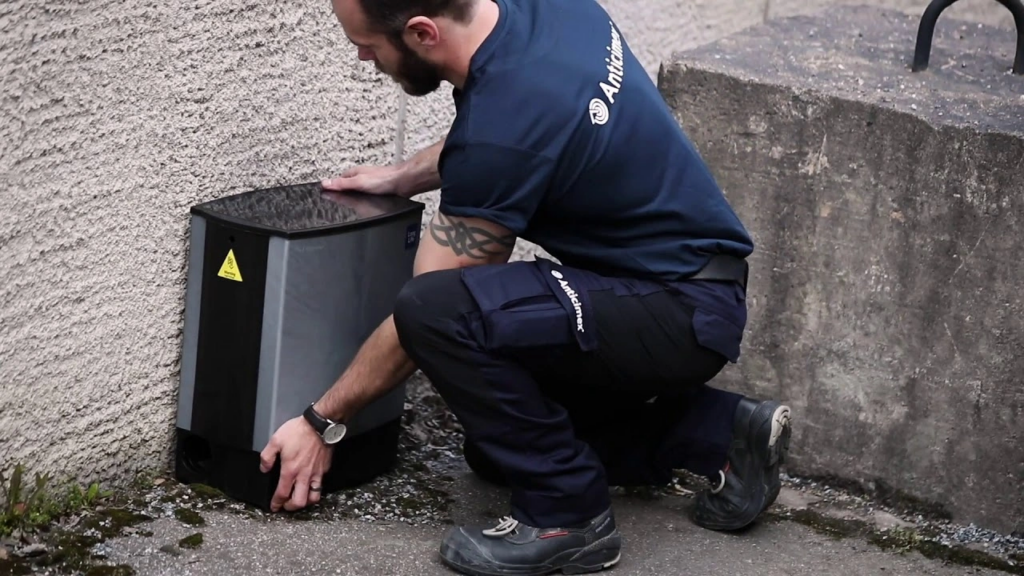
Traditional pest control operates on scheduled intervals. This creates detection delays where infestations develop unnoticed between visits. Anticimex 3D Sanidad Ambiental SA monitors facilities around the clock and detects nocturnal pest activity that human technicians cannot observe. Periodic inspections promote reactive approaches. Businesses address problems after they occur rather than preventing them. So traditional providers miss early warning signs that connected sensors capture with up-to-the-minute analysis.
Digital Documentation for Regulatory Compliance
Compliance audits just need documented inspections to prove reasonable prevention steps. Digital reporting systems provide instant access to pest activity data. Businesses can demonstrate ongoing monitoring efforts to auditors. Traditional companies rely on paper logs and manual report compilation. This creates administrative burdens that digital platforms eliminate. Anticimex 3D Madrid and Anticimex 3D Valencia operations generate audit-ready records without manual work. Documentation quality stays standardized whatever technician conducts inspections.
Lower Chemical Usage Attracts Sustainability-Focused Clients
All SMART traps operate without toxic chemicals. Work environments become healthier and pesticides cannot contaminate unintended areas. Traditional rodenticides persist in environments and enter food chains and soil systems. Sustainability-focused clients select Anticimex 3D Sanidad Ambiental SAU for poison-free mechanical solutions that food processors and healthcare facilities require.
Cost Efficiency Through Predictive Intervention
Annual maintenance plans reduce repeat infestation risk by over 80% compared to reactive one-off treatments. Predictive intervention prevents widespread infestations and reduces extensive damage-repair treatments. Traditional providers charge for emergency call-outs and repeat visits. Continuous monitoring eliminates these unpredictable expenses.
ISO 9001:2015 Certification as Competitive Barrier
ISO 9001:2015 certification demonstrates consistent service quality that meets customer and regulatory requirements. Achieving certification requires structured systems, documented procedures and regular internal audits. Smaller traditional companies operate with informal practices. They lack the transparent and auditable systems that ISO standards demand. Anticimex 3D Sanidad Ambiental maintains quality management that’s recognized around the world and provides competitive advantage in global markets.
What the Merger Means for Spanish Businesses and Municipalities
Food Industry Gains Audit-Ready Digital Records
Food manufacturers require complete digital traceability to satisfy strict audit requirements. Anticimex 3D Sanidad Ambiental SA provides transparent reporting to retailers through unified dashboards covering multiple locations. Early detection prevents contamination before products are affected and protects supply chains from recalls. BRCGS standards require detailed pest monitoring records, trend analysis and evidence of corrective actions when activity exceeds acceptable thresholds. Digital platforms organize information according to audit protocols and reduce preparation time while minimizing missing documentation risks.
Healthcare Facilities Eliminate Toxic Products
Non-toxic SMART traps eliminate chemical exposure concerns for vulnerable patients in hospitals and clinics. The poison-free approach prevents contamination of sterile areas, secondary poisoning risks and odors from traditional baits. Pests can be managed without toxic pesticides and without adverse effects on patient care quality. Pesticide use establishes risks of uncertain magnitude in healthcare facilities where patients experience varied stages of debilitation and convalescence.
Smart Cities Integrate Pest Data into Urban Planning
The consolidation strategy fits with smart-city initiatives through connected infrastructure sharing data between systems. Live activity maps provide city councils visibility into sewer systems and enable proactive intervention before public complaints arise. Integrated public health monitoring and evidence-based urban planning optimize municipal resources.
Hospitality Sector Protects Brand Reputation
Guest complaints trigger prevention through early warning systems and protect hotels from reputational damage. Bed bug sightings produce immediate negative reviews 94% of the time. Discrete professional monitoring combined with audit-ready documentation satisfies health inspections. A single bed bug infestation costs hotels more than £4,764.96 in lost revenue plus treatment and bedding replacements.
Conclusion
The Anticimex 3D and WiseCon merger created a dominant force in Spanish pest control through proprietary technology and strategic consolidation. Digital monitoring systems replaced chemical-dependent methods and delivered 24/7 surveillance that traditional scheduled inspections cannot match. So food manufacturers, healthcare facilities and city councils gained audit-ready documentation, poison-free solutions and predictive intervention capabilities. Smart sensors transmit up-to-the-minute data from thousands of locations to the Sant Cugat del Vallès headquarters. This allows immediate response before minor detections escalate. ISO 9001:2015 certification and exclusive access to WiseCon’s state-of-the-art center established competitive barriers that smaller providers cannot overcome. Anticimex 3D Sanidad Ambiental now stands as Spain’s technology-driven pest management leader.
FAQs
1. What is Anticimex and where does it operate?
Anticimex is a global pest control company with its parent company, Anticimex International AB, headquartered in Stockholm, Sweden. The company operates approximately 234 branches across 36 platforms in 22 countries, spanning Europe, Asia, Pacific, North America, and Latin America. In some regions like Australia and New Zealand, the company operates under the name “Flick” rather than its original Anticimex brand.
2. How does SMART technology differ from traditional pest control methods?
SMART technology uses connected sensors and mechanical traps that monitor facilities 24/7, replacing scheduled manual inspections. These digital systems detect pest activity in real-time and transmit data wirelessly to central platforms, enabling immediate response. Unlike traditional methods that rely on toxic chemicals, SMART traps are poison-free and mechanical, eliminating pesticide exposure risks while providing continuous monitoring that human technicians cannot achieve.
3. What are the main benefits of digital pest control for food industry businesses?
Digital pest control provides food manufacturers with audit-ready documentation that satisfies strict regulatory requirements and BRCGS standards. The systems offer complete digital traceability through unified dashboards, early detection to prevent contamination before products are affected, and automated record-keeping that organizes information according to audit protocols. This reduces preparation time for inspections and minimizes the risk of missing documentation.
4. Why are non-toxic pest control solutions important for healthcare facilities?
Non-toxic SMART traps eliminate chemical exposure concerns for vulnerable patients in hospitals and clinics. Poison-free approaches prevent contamination of sterile areas, eliminate secondary poisoning risks, and avoid odors from traditional baits. This is particularly critical in healthcare settings where patients experience varied stages of debilitation and convalescence, making pesticide exposure risks especially concerning.
5. How does predictive pest control technology save businesses money?
Predictive intervention prevents widespread infestations by detecting early warning signs, reducing the need for extensive damage-repair treatments. Annual maintenance plans using predictive technology reduce repeat infestation risk by over 80% compared to reactive one-off treatments. This eliminates unpredictable expenses from emergency call-outs and repeat visits that traditional pest control providers charge, while preventing costly production delays and facility shutdowns.
Atlas Paragon Small Business Operations & Security Guides
Independent, evidence-backed checklists for small-business software selection, accounting workflows, and security.